×
![]()


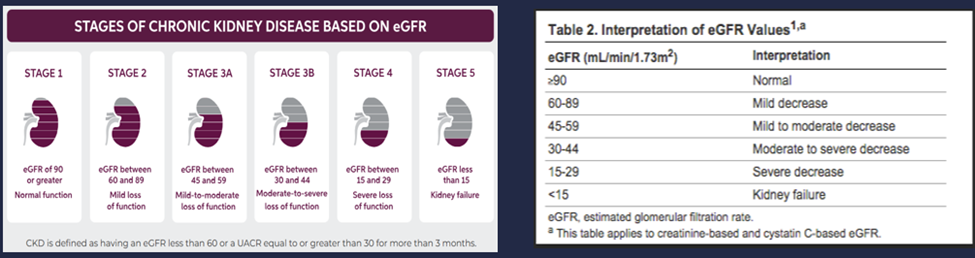 Chronic Kidney Disease in Type 2 Diabetes | Kerendia® (finerenone) | Patient Site (kerendia-us.com)
Understanding the language and structure of NTDS Hospital Event documentation is crucial for accurate data interpretation and reporting. The presence of “and/or” statements requires careful attention to ensure that the data is categorized correctly. Additionally, the flow of data within the algorithm can vary, highlighting the importance of a thorough review of each document. Familiarity with these nuances is essential for maintaining the integrity of the data and supporting effective patient care outcomes.
The American College of Surgeons Trauma Quality Improvement Program (ACS TQIP) plays a crucial role in enhancing patient care by collecting data on hospital events. This data is instrumental in identifying facilities with lower incidence rates, which can then serve as benchmarks for others. By analyzing and adopting the strategies of these leading facilities, hospitals can work towards reducing their own event rates, ultimately improving patient outcomes and elevating the standard of trauma care.
Chronic Kidney Disease in Type 2 Diabetes | Kerendia® (finerenone) | Patient Site (kerendia-us.com)
Understanding the language and structure of NTDS Hospital Event documentation is crucial for accurate data interpretation and reporting. The presence of “and/or” statements requires careful attention to ensure that the data is categorized correctly. Additionally, the flow of data within the algorithm can vary, highlighting the importance of a thorough review of each document. Familiarity with these nuances is essential for maintaining the integrity of the data and supporting effective patient care outcomes.
The American College of Surgeons Trauma Quality Improvement Program (ACS TQIP) plays a crucial role in enhancing patient care by collecting data on hospital events. This data is instrumental in identifying facilities with lower incidence rates, which can then serve as benchmarks for others. By analyzing and adopting the strategies of these leading facilities, hospitals can work towards reducing their own event rates, ultimately improving patient outcomes and elevating the standard of trauma care. 