×
![]()


Webinars
Trauma Registry
Missed our most recent webinar? Watch and download it on demand!
Michael Trelow, our Director of Trauma Quality, is returning with our popular Pre-existing Conditions webinar series, this time updated with the latest changes you need to know.
What you’ll walk away with:
→ An updated review of NTDS pre-existing conditions
→ How to correctly identify pre-existing conditions in the trauma record
If you joined last time, there’s new material worth coming back for. If you’re joining for the first time, this is exactly where to start.
To download the slides for this presentation, click here!
Blogs
Health Information Management & Coding
It was Christmas 2025, and I wanted to update my family’s set of computers. My kids’ four-year-old laptops were showing signs of heavy memory consumption from games, school and the normal wear of systems updating. An easy and historically simple fix was to upgrade the RAM. Their computers would double in memory, and this was usually a minor spend for a literal five-minute fix.
As I reviewed the prices, I was floored. What I thought would cost around $300 for all the computers in my house was nearly $600. I compromised, skipped the higher-end kits for the laptops, and then it hit me: what in the world happened to RAM? The answer, it turns out, runs straight through artificial intelligence (AI) and my day job in health information management (HIM). That rabbit hole became this article.
AI in healthcare is usually discussed as a software story: ambient scribes, coding assistants and clinical decision support. The bigger story right now is physical. Consumer demand for AI arrived before the world’s infrastructure was ready for it, and the resulting strain on chips, cloud capacity and the power grid is reshaping what tools healthcare organizations can afford and access. In this article, we will move from macro to micro: what makes this AI wave different, how it broke the hardware supply chain, why the ripple hits healthcare directly and what HIM professionals should do about it.
AI has had false starts before. From the 1950s through the 1990s, expert systems and early neural networks repeatedly outran their capabilities, producing the famous “AI winters.” The 2000s and 2010s brought a machine learning revival powered by big data, and the transformer architecture introduced in 2017 set the stage for the generative models we use today.
What changed in 2023 was the audience. ChatGPT reached 100 million users in two months. For comparison, Netflix took three and a half years to hit that mark and Instagram took two and a half. Previous AI advances lived in academia and the enterprise; this time, consumer demand exploded before data centers, chip fabricators and power utilities were prepared for it. That mismatch is the root cause of nearly everything that follows.
Three forces then collided. Consumers, enterprises and governments all wanted AI at once. Big Tech capital expenditures surged toward $300 billion per year, flowing faster than infrastructure could absorb it. Meanwhile, the hardware simply could not scale: a semiconductor fabrication plant costs $10 billion to $20 billion and takes three to five years to build, and no amount of money accelerates physical construction.
AI accelerators rely on high-bandwidth memory (HBM), a premium form of DRAM produced in the same fabrication plants that make the standard DDR5 random access memory (RAM) inside ordinary computers. Because HBM margins are dramatically higher, Samsung, SK Hynix and Micron all pivoted production toward it. Capacity allocated to HBM is capacity that cannot simultaneously make consumer memory. That was a deliberate economic choice by the manufacturers, not a supply accident.
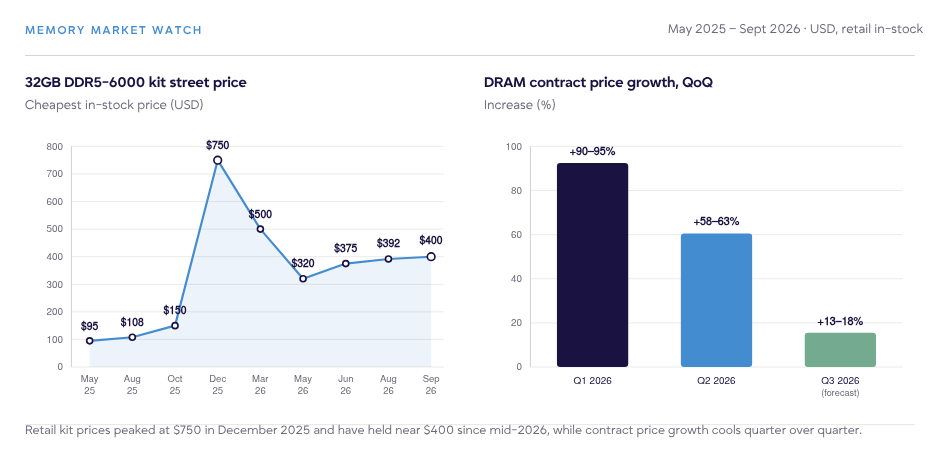
The consumer market felt it immediately. Reporting from late 2025 put dynamic random access memory (DRAM) prices up 171% year over year and NAND flash up 246%, with a 32-gigabyte DDR5 kit jumping from roughly $95 to $750 before settling near $500. Micron went further and exited the Crucial consumer business entirely after 29 years, and some prebuilt computers began shipping without memory installed at all. Industry voices such as TeamGroup warned that normalization may not arrive until late 2027 or 2028.
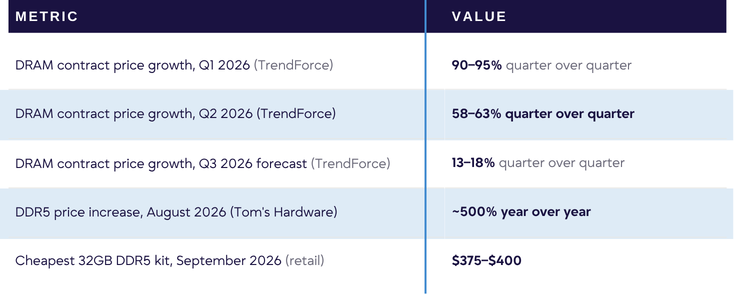
The warnings held up, and then some. TrendForce tracked conventional DRAM contract prices rising 90% to 95% quarter over quarter in the first quarter of 2026 and another 58% to 63% in the second, the steepest increases in the memory market’s history, before decelerating to a forecast 13% to 18% for the third quarter. In August 2026, Tom’s Hardware measured DDR5 prices up roughly 500% year over year. As of September 2026, the cheapest 32-gigabyte DDR5 kit at retail sits around $375 to $400. That is well below the December 2025 panic peak, but still roughly four times its pre-crisis price.
Looking forward, the signals are mixed. Analysts including International Data Corporation (IDC) and Counterpoint expect prices to peak in late 2026 before a slow moderation, and the quarterly deceleration supports that. However, hyperscale AI buyers have reportedly locked in nearly all global DRAM production for 2027 with advance deposits, SK Hynix’s chief executive has warned 2027 could be the industry’s worst-ever memory supply year for everyone else, and the company separately cautioned that tight conditions could persist past 2030.
Graphics processing units (GPUs) matter far beyond gaming because AI inference, which is running a model in real time, happens on GPU clusters. The same memory shortage drives GPU costs, since memory has become the most expensive part of building a modern card. The trajectory projected in early 2026 arrived on schedule. The flagship RTX 5090 launched at a $1,999 suggested price; by August 2026 its median United States street price was about $4,700, and the cheapest in-stock cards crossed $5,000 in September, more than two and a half times launch price. NVIDIA reportedly cut consumer production 30% to 40% to prioritize higher-margin data center chips. That same constrained inference capacity contributes to the ambient scribing waitlists and coding AI rollout delays healthcare organizations are experiencing, alongside the usual procurement, integration and review timelines.
Month-by-month price tracking for the card is maintained by TrackaLacker.
Original equipment manufacturers (OEMs) passed the costs along. ASUS, Dell, Lenovo, HP and Acer warned of price increases ranging from 10% to 30%, and IDC projected the personal computer market could shrink 9% in 2026, the worst decline since the 2009 financial crisis, landing just as the Windows 10 end-of-life refresh cycle forced organizations to buy.
Hardware is only half the strain; electricity is the other. PJM, the regional grid operator serving 65 million people, projected a 6-gigawatt shortfall by 2027. In central Ohio, residential rates climbed about 60% over five years as 130 data centers came online, and Carnegie Mellon researchers projected electricity-bill increases of up to 25% in the highest-demand markets by 2030.
The cloud, in turn, is a building with a power bill, and those buildings are full. Microsoft’s own fiscal 2026 annual report names power availability as a constraint on data center expansion. Its chief financial officer told investors in early 2025 that the company had been “short power and space,” and by the October 2025 earnings call was still reporting the company had been short “now for many quarters” despite record building.
Chief executive Satya Nadella put it more bluntly: Microsoft had chips sitting in inventory it could not plug in for lack of powered data center space, with roughly $80 billion in Azure orders reportedly backlogged behind the constraint. Even after activating 88 new data centers in fiscal 2026, capacity restrictions persisted in regions from Northern Virginia and Texas to the United Kingdom. For healthcare, the takeaway is direct: organizations relying on cloud-based AI may face capacity waitlists, allocation constraints in certain regions and potentially higher subscription costs as vendors absorb increased infrastructure expenses.
These macro disruptions land on healthcare in four specific ways:
Smaller facilities are disproportionately exposed. A large academic system can absorb subscription hikes and buy ahead of shortages; a 25-bed critical access hospital cannot. Consequently, the AI capability gap risks mapping onto existing rural health disparities, which makes this a governance issue as much as a budget one.
Despite the constraints, adoption is accelerating because the problems AI addresses are enormous. Published industry and academic estimates put annual administrative waste in United States healthcare around $360 billion. Physician surveys describe dozens of hours per week lost to administrative work, including prior authorization. On the HIM side, workforce surveys estimate a roughly 30% shortage of qualified coders, and separate industry analyses have tracked coding-related denials surging by more than 100% in recent years.
The numbers show demand for finding a way. Menlo Ventures’ State of AI in Healthcare report put domain-specific AI use at 22% of healthcare organizations, a sevenfold increase in a year, with ambient scribing revenue reaching $600 million; the same report found two-thirds of Epic hospitals running ambient documentation. Mayo Clinic has reportedly committed more than $1 billion to AI initiatives. When a flagship academic medical center invests at that scale, it signals where the industry is heading, not where it might go.
For HIM professionals, the honest answer to “will AI take my job?” is that it will change it. Industry surveys suggest roughly 70% of health systems are prioritizing AI coding automation, and those tools need humans to validate suggestions, review exceptions and catch systematic errors. Coders become auditors; abstractors become validators.
The shift moves the profession up the value chain in four areas. Routine coding and data entry shrink, while complex case work, AI oversight, data governance and compliance grow. AI models are only as good as the data they learn from, and clinical documentation quality, coding accuracy and data integrity are precisely what HIM has owned for decades. Additionally, AI-suggested coding should be supported by an audit trail. When a claim is denied, someone must explain what the AI did and why a human approved it. That is HIM work.
The professionals who embraced electronic health record adoption in the 2000s did not just survive; they became the implementation experts everyone turned to. The same opportunity exists right now.
Real obstacles remain, and pretending otherwise helps no one. Payers deployed AI denial algorithms faster than providers deployed AI coding tools, and in my view that imbalance is a major driver behind the denial surge. That arms race is already underway. Privacy questions follow every cloud AI tool: where does patient data go, does the business associate agreement (BAA) cover it and is the vendor prohibited from training on it? Accuracy and liability are genuinely unsettled, which is why most coding AI is positioned as suggestions requiring human review. Finally, integration complexity is growing as EHR vendors race to bolt on point solutions.
The transition has a rough shape, though the timeline has stretched since the crisis began. The pace of price increases is decelerating, and analysts expect memory prices to peak in late 2026. Even so, with hyperscalers pre-booking 2027 production, elevated prices and tight supply likely persist through 2027 for everyone else. Meaningful relief follows in late 2027 and 2028 as new fabrication capacity from Micron, Samsung, TSMC and SK Hynix ramps up across Idaho, New York, Arizona, Texas and Indiana. By 2029 and beyond, the market should move toward a new equilibrium, though some industry warnings stretch past 2030. Healthcare AI matures in that window, and early adopters hold years of operational experience over organizations that waited.
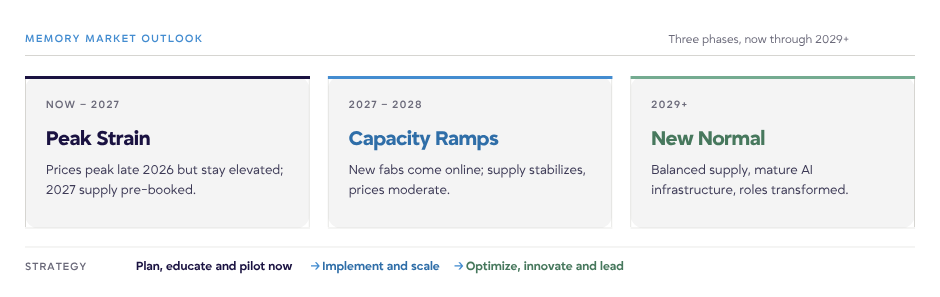
The key message: waiting carries its own cost. In healthcare, where implementation failure carries patient safety risk, the experience gap between early adopters and laggards compounds. Use the constrained period to plan, educate and pilot so you can implement and scale the moment capacity loosens.
The American Health Information Management Association (AHIMA) publishes AI policy statements and practice guidance for the profession. Menlo Ventures’ State of AI in Healthcare report is freely available, and the International Energy Agency (IEA) tracks data center energy demand projections cited throughout this article.
The supply chain crisis, the energy strain and the price shocks are symptoms of a transition moving faster than its infrastructure. Transitions create disruption and opportunity, and HIM is positioned to capture the latter: protecting patient information, ensuring data quality and leading with integrity.

Blogs
Cancer Registry
How do you know when a healthy registry begins to become unhealthy? Most registry leaders would answer, “When productivity declines.”
I don’t think that’s the first indicator, or even the most important one. Cancer registry performance can stay strong for a long time while the registry behind it is getting weaker. The work still gets done, and the numbers look good.
By most traditional measures, the registry appears healthy. But is it getting stronger? That is a different question, and it is the one I find myself asking more often.
I think of this as organizational drift: the gradual loss of processes, knowledge, flexibility and resilience that happens even while day-to-day performance holds steady. Looking back over 20 years in this profession, I cannot recall a single registry that became unhealthy overnight.
Drift rarely starts with a major event. It starts with small decisions that make perfect sense at the time.
Education gets postponed because reporting deadlines are pressing. A process meant to be temporary slowly becomes the way things have always been done. Before long, everyone leans on the same one or two experienced staff members, not because it is the right structure but because it is faster than slowing down to teach someone else.
None of those decisions feels significant, and most are made with good intentions. A temporary workaround is not a concern on its own. Postponing one educational opportunity will not change the health of a registry, and leaning on your most experienced staff member when something complicated arises is often exactly the right call. But when temporary decisions become permanent ones, something shifts.
Knowledge becomes less distributed, and processes become more dependent on habit. There is less time to step back and ask whether the way the work is being done still makes sense. The registry may be every bit as productive as it was before. What has changed is its ability to adapt.
That’s what makes drift so hard to catch. From the outside, everything still looks healthy. Reporting deadlines are met, quality remains strong, and no backlog is demanding attention.
If you looked only at the monthly dashboard, you would conclude that nothing has changed. But dashboards tell us what is happening. They do not tell us how we are getting there.
Consider two registries reporting nearly identical productivity, quality, and timeliness. The first meets its goals because knowledge is shared, workflows are well designed, staff understand one another’s responsibilities and processes have evolved as the registry has changed. The second produces the same results in a different way. Its workflows are a set of workarounds that were never meant to be permanent, its staff know their own queues and little about anyone else’s, its processes were designed for a caseload it no longer has, and it meets its deadlines because a few people have learned to make all of that work.
On paper, those registries look alike. Organizationally, they are not.
In the second registry, experienced Oncology Data Specialists become very good at filling gaps. They remember the step that was never documented. They know who to call when an interface does not work correctly. They recognize the unusual case that needs a second look, and they know which report has to be adjusted by hand before anyone can use it.
Over time, those accommodations become almost invisible, and there’s nothing wrong with that; experience is one of the greatest strengths a registry has. The risk comes when individual expertise begins to substitute for organizational capability. If only one person understands a critical process, the registry does not own that knowledge. The individual does.
None of this makes the measurement side less important, and Velarity’s practical framework for Oncology Data Specialist productivity and workforce planning covers benchmarking and case complexity in detail. But those numbers answer one question.
So instead of asking only, “How are we performing?” we should also be asking, “What is allowing us to perform this way?” The answer will tell you more about the future health of your registry than the number itself.
Eventually, every registry is tested. Sometimes it is retirement or an unexpected resignation. Sometimes it is a software conversion that demands far more time than anyone anticipated, a surge in case volume, or a new reporting requirement that stretches an already busy team.
Those events do not create organizational weakness. They reveal how much capability was there all along.
I have walked into at least two registries where the manager had been gone for a year or more. The staff who remained knew some of what that manager had known, but not most of it. That’s not a criticism of them. Day-to-day staff are not expected to carry out a manager’s full scope of duties, and it would be unreasonable to ask them to.
Some gap is unavoidable when a leader departs. A position has to be approved, posted, filled, and then learned, and that takes time no matter how well run the registry is. What determines the size of that gap is how much was shared before anyone knew it would be needed.
In both cases, very little had been. There was no cross-training in place and no plan for the day the manager left, so a handover that could have been managed became a long stretch of improvisation.
The staff kept the registry going anyway. Required reporting went out, minimum standards were met, and from the outside the registry was still working. What that cost them did not appear anywhere in those numbers. Covering the pieces nobody had been prepared to cover took time out of their own daily responsibilities, and that work fell behind.
Neither departure made anyone less capable. Each exposed a leadership gap that had been sitting there all along, waiting for the day someone walked out the door. Before that day, there was no reason to question any of it, because the work was getting done.
I have spent a good part of my career saying that our profession needs to develop registry leaders before we need them. This is what it looks like when we don’t.
That’s why disruption is such a useful test. It is the moment when two registries that looked identical on paper start to look very different in practice. One adjusts and keeps moving; the other struggles to regain its footing.
A growing backlog works the same way. It tells you something has shifted, but it is not a diagnosis on its own, and a response that does not match the actual cause will not hold.
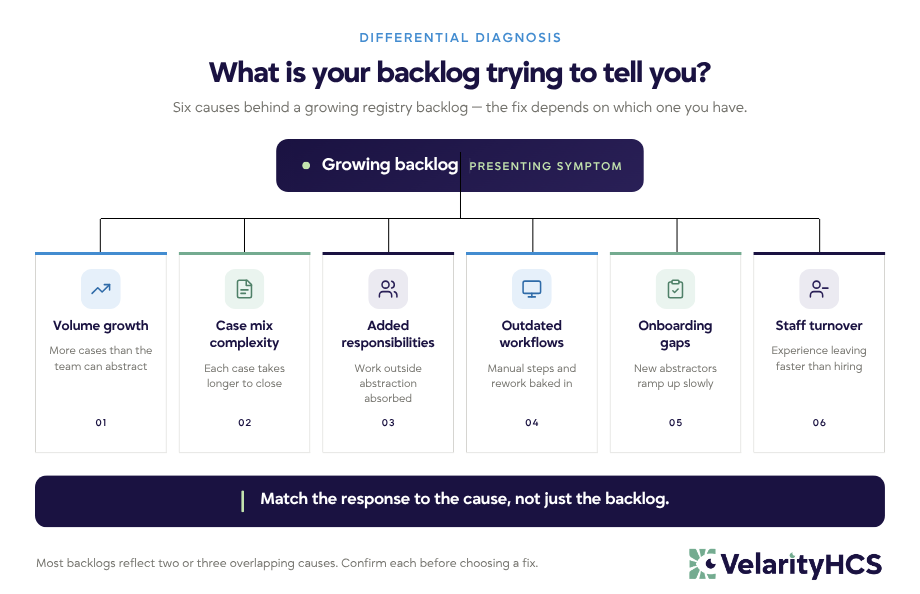
Several factors can produce the same visible backlog:
All of the above produce the same visible result. Each one calls for a different response. Most backlogs reflect two or three overlapping causes rather than a single one, which is why the first question is not “how do we catch up” but “what is actually driving this.”
What I saw in those registries is not unusual, and the workforce data supports it. The Cancer Registrar Workload and Staffing Study, conducted by the University of California, San Francisco (UCSF) Health Workforce Research Center and published in the Journal of Registry Management in 2024, examined workload and staffing alongside the future needs, skills, and training of the cancer registry workforce.
Registry leads reported that nearly half of their staff (49.1%) needed additional training in data analysis, and 17.8% of registrars surveyed said they planned to retire or leave the profession within five years. Interviews pointed to vacancies and burnout alongside those pending retirements. The study also concluded that technological innovation and automation are likely to change the registrar’s role rather than eliminate it.
National Cancer Registrars Association (NCRA): Workforce Resources and Research
That picture makes building organizational capability more urgent, not less. Preparing a registry for the future is not a matter of counting how many people you need today. It is about deciding what knowledge, skills, and flexibility the registry will need as the work itself changes.
Resilience deserves as much attention as productivity. Productivity tells us how we are performing today. Resilience tells us how we will perform when today’s conditions change, and they will.
Resilience doesn’t mean carrying excess staff or preparing for every possible disruption. No registry can predict every resignation, technology change, reporting requirement, or increase in volume. It means building enough capability into the registry that change does not depend entirely on heroic effort.
That capability takes different forms like the following:
We tend to improve processes only when they fail, but resilient registries question them while they are still succeeding, not because everything needs to change but because the circumstances around the work do. Much of that rests with the people leading the registry, a subject Velarity HCS takes up in its piece on empowering cancer registry managers.
The healthiest registries I’ve seen didn’t constantly reinvent themselves. They stayed curious enough to ask whether their current way of working still supported where they were going.
The encouraging part is that resilience is not built during a crisis. It’s built in ordinary moments, the ones that do not feel significant at the time.
Moments like:
None of those efforts produces an immediate jump in productivity, and some require time that feels as though it could be spent more productively elsewhere. That’s not the point. Organizational capability is rarely created through one large initiative.
It develops the way drift does, through small decisions nobody flags at the time. The difference is direction.
As you think about your own registry, consider these questions:
A healthy cancer registry is not defined only by the results it produces today. It is also reflected in the capability it is building for tomorrow. Productivity, quality and timeliness will always matter. The question I would ask is the one I started with: Is the registry getting stronger, or only keeping up?
Resilience is built through choices made long before that strength is ever tested. That is the hard part. Those choices must be made during the long stretch when nothing about the registry appears to require them.\
Most registries never get a clear look at what is holding their performance up until something forces the question. It is an easier question to answer before something does.
Velarity’s Cancer Registry Services include:
If you are ready to look beyond your own numbers, contact us to learn more.

Blogs
Trauma Registry
Strong communication between trauma registrars and trauma program managers forms the backbone of an effective trauma program. When registrars know the right questions to ask, they unlock clearer expectations, stronger data quality, and better support for performance improvement. This guide outlines practical, professional questions that help registrars partner more effectively with leadership while advancing patient care and regulatory compliance.
Trauma registrars sit at the crossroads of clinical documentation, coding standards and data submission requirements. Meanwhile, trauma program managers oversee the broader program, including performance improvement and patient safety, or PIPS, education, staffing and compliance with American College of Surgeons standards. Bridging these roles through thoughtful questions builds mutual understanding and drives continuous improvement.
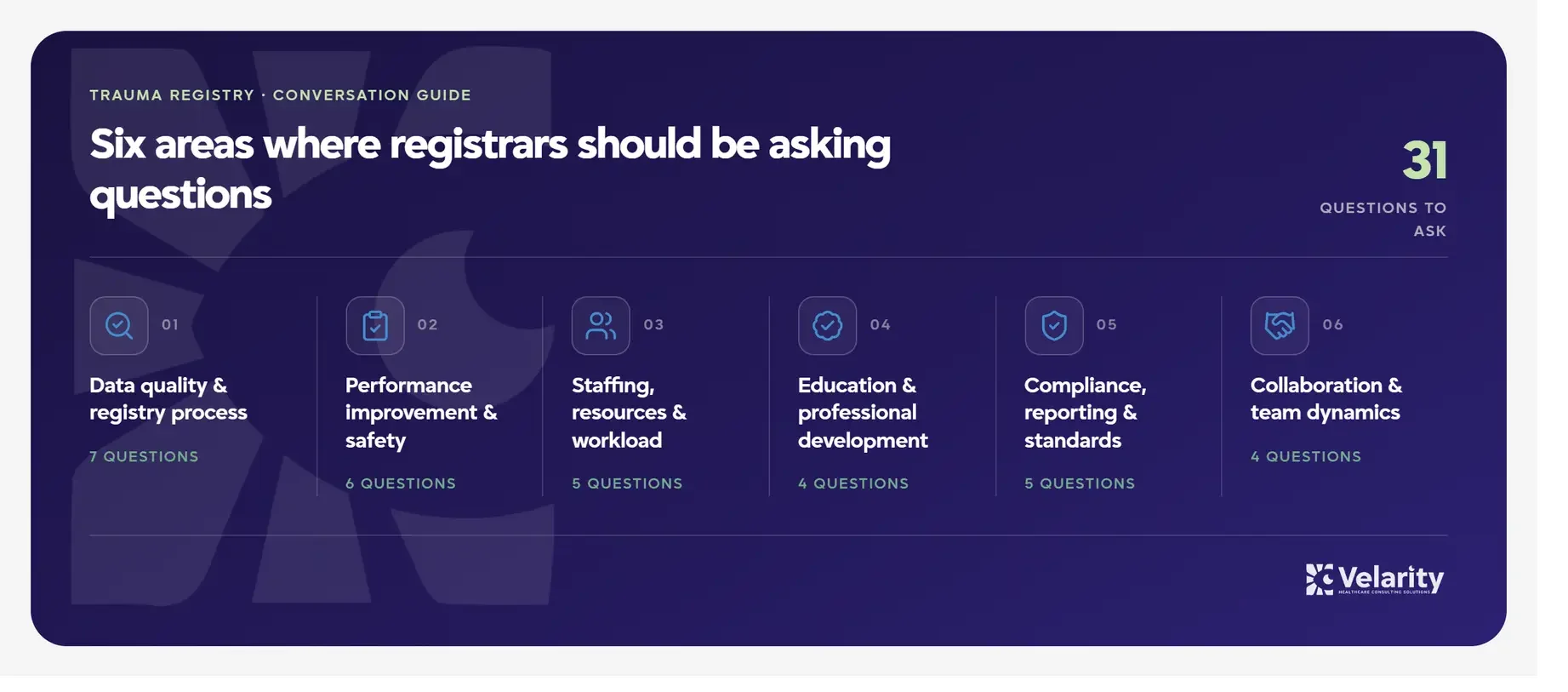
Why Trauma Registrars Should Ask Questions of Program Managers
Open discussion prevents assumptions, reduces friction, and allows for a calmer presence in the department. Registrars often notice patterns in documentation gaps, electronic medical record permissions, coding challenges or workload pressures that managers may not see daily. By asking questions, registrars identify issues early, clarify priorities and align their work with program goals. In turn, managers gain frontline insight that strengthens decision-making.
Furthermore, the American College of Surgeons emphasizes registry oversight as a responsibility of the trauma program manager. Clear communication supports compliance with standards related to staffing ratios, data quality plans, education requirements and timely submissions to the National Trauma Data Bank and Trauma Quality Improvement Program. Asking the right questions helps both parties meet these expectations.
 Questions About Data Quality and Registry Processes
Data quality sits at the heart of the trauma registry. Accurate abstraction, consistent coding and timely closure of records enable meaningful reporting and reliable benchmarking. Registrars should therefore seek clarity on expectations and processes.
Clarifying Inclusion Criteria and Workflow
Consider asking the following:
Supporting Validation and Inter-Rater Reliability
Additional useful questions include:
 Questions About Performance Improvement and Patient Safety
The trauma registry drives the performance improvement and patient safety program. Registrars who understand how their data supports PIPS become stronger teammates in improving outcomes. Asking about the connection between registry work and quality initiatives helps align daily tasks with larger goals.
Key questions to raise include:
 Questions About Staffing, Resources and Workload
Adequate staffing remains a frequent challenge in trauma registries. The American College of Surgeons recommends at least 0.5 full-time equivalent registry staff for every 200 to 300 annual patient entries. When volume grows or software changes create new burdens, registrars need clear avenues to discuss capacity.
Questions in this area include:
 Questions About Education, Training and Professional Development
Trauma registrars must maintain specialized knowledge in Abbreviated Injury Scale (AIS) coding, ICD-10 coding, trauma registry principles and evolving national standards. Program managers oversee education requirements and can help registrars access the right resources.
Ask about professional growth with questions such as:
 Questions About Compliance, Reporting and Standards
Trauma centers must submit accurate data on set schedules to state registries, the National Trauma Data Bank and the Trauma Quality Improvement Program. Registrars carry much of the responsibility for these submissions. Clarifying timelines, validation steps and contingency plans reduces last-minute stress.
Helpful compliance-focused questions include:
 Questions About Collaboration and Team Dynamics
Effective trauma programs depend on teamwork across registrars, the trauma program manager, the trauma medical director, performance improvement coordinators and clinical teams. Registrars who understand communication preferences and meeting structures can contribute more effectively.
Consider asking:
How Trauma Registrars Can Approach These Conversations Effectively
Asking questions works best when asked constructively. Approach conversations with curiosity and a problem-solving mindset rather than frustration. Prepare specific examples of challenges or opportunities. Approach any discussion regarding a problem that has been identified with a possible solution to that problem. Managers respond more readily when they hear both the issue and thoughtful ideas for addressing it.
Schedule dedicated time rather than relying solely on hallway conversations. A brief, focused agenda helps keep discussions productive. Follow up in writing with key takeaways and agree on the next steps so both parties share the same understanding. Over time, regular dialogue builds trust and makes future conversations easier.
In addition, share positive observations. Highlighting what works well reinforces good practices and balances the discussion. Trauma program managers often juggle many competing demands; hearing that registry processes support the larger program can strengthen partnership.
Putting These Questions into Practice
Start with one or two high-priority areas rather than attempting every question at once. Data quality and submission timelines often provide natural starting points. As rapport grows, expand into staffing, education and broader collaboration topics. Document agreements and revisit them periodically as volume, software or standards evolve. Come with any documentation that will help your discussion.
Remember that the goal is mutual success. When trauma registrars ask thoughtful questions of their trauma program managers, they demonstrate ownership of their role and commitment to the program’s mission. Managers who welcome these conversations gain valuable insight and can better advocate for the resources the registry needs.
Conclusion: Building Stronger Partnerships Through Curiosity
The questions trauma registrars should ask their trauma program managers cover data quality, performance improvement, staffing, education, compliance and teamwork. Each question opens a door to clearer expectations, better support and stronger patient outcomes. By approaching these conversations with professionalism and a spirit of teamwork, registrars and managers together create the foundation of high-quality trauma care.
Trauma registries succeed when the people closest to the data feel empowered to seek clarity and share insights. Use the questions as a starting point, adapt them to your solutions, and keep the dialogue going. Continuous communication remains one of the most effective tools available for improving trauma systems.
Ready to strengthen communication within your trauma program? Share this article with your team, schedule a focused conversation with your trauma program manager, or reach out to explore resources that support trauma registry excellence. Contact us at trauma@velarityhcs.com to learn more about best practices, education opportunities and tools that help trauma registrars and program managers work together more effectively.
Have additional questions or success stories about registrar-manager collaboration? We would love to hear how these conversations are improving your trauma program.
Additional Resources
For further reading on trauma registry standards and program leadership, consider these sources:

Blogs
Clinical Documentation Integrity (CDI)
Sepsis Blog Series: Part 1
CMS’s new sepsis readmission measure marks a significant shift in how organizations must approach documentation integrity, coding, quality measurement, and clinical validation. Built on administrative claims data and risk adjustment, the measure evaluates hospital performance using publicly reportable 30-day readmission outcomes following sepsis hospitalization. (CMS)
This sepsis series is designed to help organizations build the capabilities necessary to ensure clinically supported conditions are accurately represented from provider documentation through final coded data and ultimately reflected in quality outcomes and public reporting. (CMS)

Focus: Why the finalized CMS Sepsis Readmission Measure changes CDI’s role.
Key Tenets

Executive Indicators to Monitor
As organizations shift from documentation optimization to outcome optimization, leaders need visibility into the measures that signal whether patient complexity is being accurately represented and whether improvement efforts are translating into measurable performance outcomes. The following indicators can serve as an initial executive dashboard:
Outcome Measures
Documentation and Coding Measures
Clinical Validation and Denials Measures
Together, these measures provide insight into the entire continuum of documentation integrity, coding accuracy, clinical validation, risk adjustment, and outcome performance. Monitoring them at the executive level reinforces the understanding that documentation is not solely a revenue cycle function but a critical component of quality measurement and public reporting. (CMS)
Action Item:
Conduct an executive briefing with CDI, Coding, Quality, Revenue Cycle, and Physician Advisor leadership to review the finalized Sepsis Readmission Measure and identify where accountability currently exists for documentation, coding, clinical validation, readmissions, and quality reporting. (CMS)
Leadership Reflection
If CMS assessed our organization’s ability to accurately represent patient complexity today, would we have confidence that documentation, coding, quality, and clinical validation efforts are working toward a common outcome, or are they still operating as separate initiatives? (CMS)
Focus: Understanding why documentation alone does not impact quality measures.
As organizations prepare for implementation, leaders should address a common misconception: documentation improvement and coding are not separate strategies. They are consecutive steps in the same process for accurately representing patient complexity in claims data. The sepsis readmission measure is built on administrative claims data. Providers document the clinical story, but only documented conditions that are appropriately translated into coded data can influence risk adjustment, quality reporting, and hospital performance measurement. (CMS)
Key Tenets

Executive Indicators to Monitor
Action Item:
Select a sample of recent sepsis discharges and compare documented diagnoses against final coded claims to identify conditions that were documented but not coded, coded but poorly supported, or insufficiently specified. Use findings to establish a baseline documentation-to-code accuracy rate.
Leadership Reflection
How often do we assume that a documented diagnosis automatically influences quality performance, risk adjustment, and public reporting without verifying that it was ultimately translated into coded data?(CMS)
Focus: Strengthening the CDI-Coding partnership.
Key Tenets

Executive Indicators to Monitor
Action Item
Establish a recurring CDI-Coding reconciliation review focused on quality-impacting diagnoses such as severe sepsis, septic shock, malnutrition, frailty, respiratory failure, acute kidney injury, and other major risk-adjustment variables. (CMS)
Leadership Reflection
If CDI and Coding reported to different departments tomorrow, would we still be confident that risk-adjustment diagnoses are consistently represented in claims data?
Focus: Connecting documentation and coding to risk adjustment and public reporting.
Key Tenets
The sepsis measure risk-adjusts for conditions including:
These conditions only influence risk adjustment when appropriately documented and coded. (CMS)

Executive Indicators to Monitor
Action Item
Perform a risk-adjustment gap analysis using sepsis cases to determine whether diagnoses included in the CMS methodology are consistently documented and coded across physicians, service lines, and facilities. (CMS)
Leadership Reflection
If a patient with significant complexity experiences a readmission, can we confidently say that the risk-adjustment model had access to a complete and accurate representation of that patient’s severity, comorbidities, organ dysfunction, and frailty? (CMS)
Focus: Building physician leadership around documentation integrity and outcome optimization.
Key Tenets
Physician Advisors can support:
A Sepsis Physician Champion can help:
Sustainable success requires physician-led alignment between clinical care, documentation, coding, and quality measurement. (CMS)

Executive Indicators to Monitor
Action Item
Identify a Physician Advisor and/or Sepsis Physician Champion to partner with CDI, Coding, and Quality in provider education, readmission review, clinical validation discussions, and documentation performance monitoring.
Leadership Reflection
Who in our organization is accountable for influencing physician documentation behaviors, educating providers on evolving quality measures, and creating alignment between clinical practice, documentation, coding, and quality outcomes? (CMS)
Focus: Improving representation of patient complexity through frailty capture.
Key Tenets
The finalized methodology includes a Multiple Chronic Conditions Frailty Index that incorporates indicators such as:
Frailty documentation often requires collaboration among:
Frailty may become one of the most important drivers of risk-adjusted complexity under outcome-based measurement. (CMS)

Executive Indicators to Monitor
Action Item
Partner with Rehabilitation Services, Nursing, Care Management, Geriatrics, and Palliative Care to identify opportunities to improve recognition and documentation of frailty, debility, malnutrition, functional decline, and durable medical equipment dependence. (CMS)
Leadership Reflection
Would an external reviewer examining our records consistently recognize the patient’s functional decline, frailty, malnutrition, and overall complexity, or are we still under-representing these important risk factors in the health record? (CMS)
Focus: Using denials and appeals to improve documentation and quality performance.
Key Tenets
Medicare Advantage payers frequently challenge sepsis diagnoses using:
Rebuttal letters often contain:
Rather than treating denials solely as revenue-recovery activities, organizations can use them as tools for education, validation improvement, and documentation enhancement. (CMS)

Executive Indicators to Monitor
Action Item
Review the previous six months of sepsis clinical validation denials and categorize common themes such as organ dysfunction documentation, Sepsis-2 versus Sepsis-3 disagreements, severity representation, and physician documentation opportunities
Leadership Reflection
What are our top five sepsis denial themes, and how often are those same themes appearing in readmitted sepsis patients?
Focus: Connecting clinical validation and quality measurement.
Key Tenets
Two questions increasingly overlap:
Clinical Validation
Was sepsis clinically supported?
Quality Measurement
Was the patient’s complexity accurately represented?
Organizations that address both questions together create stronger alignment among CDI, Coding, Physician Advisors, Quality, and Denials Management teams. (CMS)

Executive Indicators to Monitor
Action Item
Bring CDI, Coding, Physician Advisors, Quality, and Denials teams together for a shared review of denied sepsis cases and readmitted sepsis patients to identify overlapping documentation and risk-adjustment vulnerabilities.
Leadership Reflection
When we review sepsis cases, are clinical validation and quality performance discussed together, or do we continue to separate conversations about diagnosis support from conversations about outcome measurement and risk adjustment? (CMS)
Focus: Applying documentation and coding expertise to readmission reviews.
Key Tenets
Readmission reviews should assess:
The goal is to understand both the patient’s clinical course and whether complexity was accurately represented in the record and coded data. (CMS)

Executive Indicators to Monitor
Action Item
Add CDI and Coding representation to existing sepsis readmission review processes and incorporate a standardized review of documentation integrity, code capture, risk-adjustment diagnoses, and discharge complexity.
Leadership Reflection
Do our readmission reviews focus solely on the reasons a patient returned to the hospital, or do they also evaluate whether documentation and coding accurately reflected the patient’s complexity at the time of discharge? (CMS)
Focus: Creating sustainable governance and accountability.
Key Tenets
Organizations should build a cross-functional model involving:
Success requires shared ownership of documentation integrity, coding integrity, clinical validation, quality performance, and readmission outcomes. (CMS)

Executive Indicators to Monitor
Action Item
Develop a formal governance structure with shared ownership among CDI, Coding, Quality, Physician Advisors, Care Management, Denials Management, and Revenue Integrity. Establish metrics, reporting cadence, escalation paths, accountability, and annual goals for documentation integrity and outcome performance.
Leadership Reflection
One year from now, how will we know that our organization has successfully transitioned from documentation optimization to outcome optimization, and what metrics will demonstrate that clinically supported conditions are being documented, coded, validated, defended, and accurately reflected in our reported performance? (CMS)
Implementation Checklist
Organizations preparing for the finalized measure should consider the following actions:
Final Takeaway
The finalized CMS Sepsis Readmission Measure signals a fundamental evolution of CDI. Organizations that continue to view CDI solely through the lens of MS-DRG optimization may miss a significant opportunity. (CMS)
As quality measurement increasingly evaluates what happens after discharge, CDI programs can help ensure hospitals receive appropriate credit for the complexity of patients they serve while helping identify opportunities to reduce avoidable readmissions. (CMS)
The most successful organizations will build strong partnerships among:
Together, these groups can ensure that clinically supported conditions are:
Documented, coded, validated, defended, and accurately reflected in the data CMS uses to evaluate hospital performance.
Because in the era of outcome-based measurement:
Documentation is not the finish line. Accurate representation of the patient through coded data is. (CMS)
And perhaps most importantly:
Documentation is no longer only a reimbursement strategy. It is a coding strategy, a quality strategy, a readmission strategy, and a public reporting strategy. (CMS)
Resource:
Centers for Medicare & Medicaid Services: (August 4, 2026). FY 2027 IPPS Final Rule Home Page. Retrieved from: FY 2027 IPPS Final Rule Home Page | CMS


Blogs
Clinical Documentation Integrity (CDI)
The 2026 ACDIS/AHIMA Guidelines for Achieving a Compliant Query Practice represent more than a routine update. They redefine compliant querying for a healthcare environment increasingly influenced by clinical validation reviews, risk adjustment, quality reporting, and AI-driven documentation tools.
Several key themes emerge from the new guidance.
Here are nine key changes every organization should know:
Ultimately, the 2026 update reflects healthcare’s movement toward clinical validity, defensible documentation, and ethical data integrity. Query practice is no longer simply a CDI function. It is an enterprise-wide responsibility requiring collaboration among CDI, coding, quality, compliance, physician leadership, and technology teams.

Leadership Question: If your AI-generated prompts, HCC clarification requests, CDI queries, and quality documentation reviews were audited today, would they all meet the same compliant query standards?
The 2026 ACDIS/AHIMA Query Practice Guidelines have officially expanded compliant querying beyond CDI. AI-generated prompts, HCC clarification requests, quality documentation reviews, and technology-assisted queries are now clearly within scope.
Key takeaway: If it functions like a query, it must comply like a query.
Is your organization ready?
Reference:
American Health Information Management Association and HCPro, LLC. (2026). Guidelines for Achieving a Compliant Query Practice. Retrieved 8/25/2026 from: ACDIS/AHIMA Guidelines for Achieving a Compliant Query Practice—2026 Update | ACDIS

Blogs
Clinical Documentation Integrity (CDI)
Sepsis Blog Series: Part 2
Understanding CMS’s New Sepsis Readmission Measure
Healthcare leaders have long recognized that sepsis does not end when a patient leaves the hospital. Recovery often extends weeks or months beyond discharge, requiring coordinated clinical management, patient education, and effective transition planning. In the FY 2027 IPPS/LTCH PPS Final Rule, CMS finalized the Hospital 30-Day, All-Cause, Risk-Standardized Readmission Rate Following Sepsis Hospitalization Measure, marking a significant expansion of accountability within the Hospital Readmissions Reduction Program (HRRP). The measure reflects CMS’s growing focus on care transitions, patient outcomes, and comprehensive management of complex conditions following discharge. [1]
Why CMS Adopted the Sepsis Readmission Measure
Sepsis remains one of the leading causes of hospitalization, mortality, and healthcare utilization among Medicare beneficiaries. CMS developed this measure to provide meaningful information about hospital-level performance related to unplanned readmissions following a sepsis hospitalization.
The measure supports several key objectives:
CMS noted that the measure aligns with the Meaningful Measures 2.0 priority area of “Seamless Care Coordination,” emphasizing the importance of timely, coordinated care that reduces errors, prevents avoidable readmissions, and improves patient outcomes. [1]
Timeline for Implementation
While the original proposal referenced adoption beginning with the FY 2029 program year, CMS finalized a modified implementation approach:
This phased approach provides hospitals time to evaluate performance, identify opportunities for improvement, and strengthen sepsis transition-of-care programs before financial implications begin.
Measure Population
The Sepsis Readmission Measure includes:
Notably, inclusion of Medicare Advantage beneficiaries supports CMS’s broader strategy of measuring quality consistently across the Medicare population. This aligns with previously finalized policies integrating Medicare Advantage patients into HRRP measurement cohorts. [1]
Understanding the Numerator
The numerator captures beneficiaries discharged following a qualifying sepsis hospitalization who experience an unplanned readmission to an acute care hospital for any cause within 30 days of discharge.
Beneficiaries must meet the following requirements:
Importantly, only unplanned acute inpatient readmissions count toward the measure. Planned readmissions are excluded because CMS does not consider them a reflection of poor care quality. [1]
Understanding the Denominator
The denominator includes all eligible Medicare beneficiaries who:
Key Exclusions
Several exclusions help ensure hospitals are assessed fairly:
The finalized measure shifts attention beyond inpatient sepsis treatment and toward what happens after discharge. Organizations will likely need to strengthen the following areas.
CDI teams should ensure:
Hospitals may benefit from:
As hospitals review the FY 2027 Final Rule, CDI, quality, case management, and physician advisor teams should begin evaluating:
The early-look reporting period provides valuable time to establish baseline performance and build improvement strategies before the measure affects HRRP payment calculations.
Bottom Line
CMS’s new Sepsis Readmission Measure represents a significant evolution in hospital accountability. By focusing on 30-day outcomes following sepsis hospitalization, CMS is emphasizing that quality sepsis care extends beyond the inpatient stay and includes successful recovery across the entire care continuum. Hospitals that invest now in care coordination, discharge planning, and post-discharge support will be better positioned to improve patient outcomes and succeed under future HRRP requirements. [1]

Reference:
[1] Centers for Medicare & Medicaid Services. (July 31, 2026).
FY 2027 Hospital Inpatient Prospective Payment System and Long-Term Care Hospital Prospective Payment System Final Rule (CMS-1849-F). Retrieved from https://www.cms.gov/newsroom/fact-sheets/fy-2027-hospital-inpatient-prospective-payment-system-long-term-care-hospital-prospective-payment


Tip Cards
Trauma Registry
Download to unlock the full tip card and get the complete breakdown.

Blogs
Clinical Documentation Integrity (CDI)
Hospitals across the country will soon face a new level of accountability for joint replacement care. As part of the FY 2027 IPPS Final Rule, CMS finalized the Comprehensive Care for Joint Replacement Expanded (CJR-X) Model, marking the first mandatory nationwide episode-based payment model in Medicare. The program will begin January 1, 2028, a three-month delay from the originally proposed October 1, 2027, start date. [2], [hfma.org]
CJR-X builds on the success of the original Comprehensive Care for Joint Replacement (CJR) Model and is designed to improve care coordination for Medicare beneficiaries undergoing lower extremity joint replacement procedures. The model includes hip, knee, and ankle replacements performed in hospital settings. [2]
Under CJR-X, participating hospitals will be held financially accountable for the entire episode of care, including:
The goal is to encourage hospitals, surgeons, and post-acute providers to work together to deliver high-quality, coordinated care while reducing avoidable complications, readmissions, and unnecessary spending. [2]
CMS is expanding the model based on the results of the original CJR program, which operated from April 2016 through December 2024. According to CMS, the program generated more than $100 million in Medicare savings while maintaining quality of care, demonstrating that coordinated, episode-based payment models can improve efficiency without compromising patient outcomes. [2], [1]
CMS leaders have emphasized that CJR-X aligns financial incentives with patient outcomes, rewarding hospitals that successfully coordinate care throughout the recovery period rather than focusing solely on the surgical encounter. [cms.gov], [cms.gov]
Most hospitals paid under the Inpatient Prospective Payment System (IPPS) and the Outpatient Prospective Payment System (OPPS) will be required to participate. However, CMS finalized several exemptions including:
These exemptions are intended to avoid overlapping payment models and account for unique state payment structures. [hfma.org], [1]
What This Means for Hospitals
With CJR-X, hospitals will need to strengthen partnerships across the continuum of care, including physicians, rehabilitation providers, skilled nursing facilities, and home health agencies. Organizations that can effectively manage recovery, reduce complications, and prevent avoidable utilization will be better positioned to succeed financially under the model. [2]
For clinical and quality leaders, the model reinforces the ongoing industry shift from fee-for-service reimbursement toward value-based care, where success is measured not only by the procedure itself but by the patient’s overall recovery experience and outcomes. [2]
Beginning in 2028, CJR-X will make episode-based payment for joint replacements a nationwide reality. By holding hospitals accountable for care from surgery through 90 days of recovery, CMS aims to improve coordination, enhance patient outcomes, and reduce unnecessary Medicare spending. The model’s nationwide expansion signals CMS’s continued commitment to value-based care and may serve as a blueprint for future episode-based payment initiatives. [2]

Webinars
Trauma Registry
Michael Trelow, our Director of Trauma Quality, is leading a session on Anticoagulants and Reversal Agents. This is one of the most complex and frequently misunderstood areas of trauma abstraction.
Objectives:
To download the slides for this presentation, click here!

Blogs
Trauma Registry
In the fast-paced world of trauma care, every second counts. Behind the scenes, trauma registry data management plays a major role in transforming raw patient data into actionable insights that save lives. Trauma registries collect detailed data on injured patients, from the moment of injury through treatment and discharge. However, the true power of these registries lies not just in data collection but in how that data is managed, validated, and utilized.
Poor data management can lead to incomplete records, inaccurate benchmarking, and missed opportunities for quality improvement. Conversely, strong practices enhance performance improvement initiatives, support research, and help trauma centers maintain verification from bodies like the American College of Surgeons (ACS). This article explores the critical importance of trauma registry data management, its challenges, best practices, and future directions.
We will discuss the key factors that demonstrate why effective trauma registry data management is vital for improving patient outcomes, ensuring compliance, and advancing trauma care, while exploring best practices and strategies to help you optimize your registry today.
A trauma registry is a specialized database that captures comprehensive information about trauma patients, including demographics, injury mechanisms, pre-hospital care, diagnoses, treatments, outcomes, and complications. These registries feed into larger systems like the National Trauma Data Bank (NTDB) and the Trauma Quality Improvement Program (TQIP).
Accurate data drives evidence-based changes in clinical protocols, reduces mortality, and identifies injury prevention opportunities. For instance, registries have contributed to significant declines in trauma-related death and disability rates by enabling systems-level improvements.
Without proper management, registries risk becoming repositories of unreliable information, undermining their potential to inform policy, research, and care delivery.
High-quality trauma registry data management directly correlates with better patient care. Trauma teams rely on registry data to track outcomes, spot trends, and implement performance improvement (PI) projects. When data is accurate, clinicians can identify gaps early—such as delays in care or higher-than-expected complication rates, and adjust accordingly.
Consider a hospital analyzing ventilator-associated pneumonia rates. Reliable data allows for precise risk adjustment using injury severity scores and comorbidities. This leads to targeted interventions that lower infection rates and shorten hospital stays. Studies show that well-managed registries support benchmarking against national standards, fostering competition and continuous improvement across trauma centers.
Despite its importance, trauma registry data management faces several hurdles:
These challenges can result in delayed reporting, failed verifications, or flawed research, emphasizing the need for strategic data management.
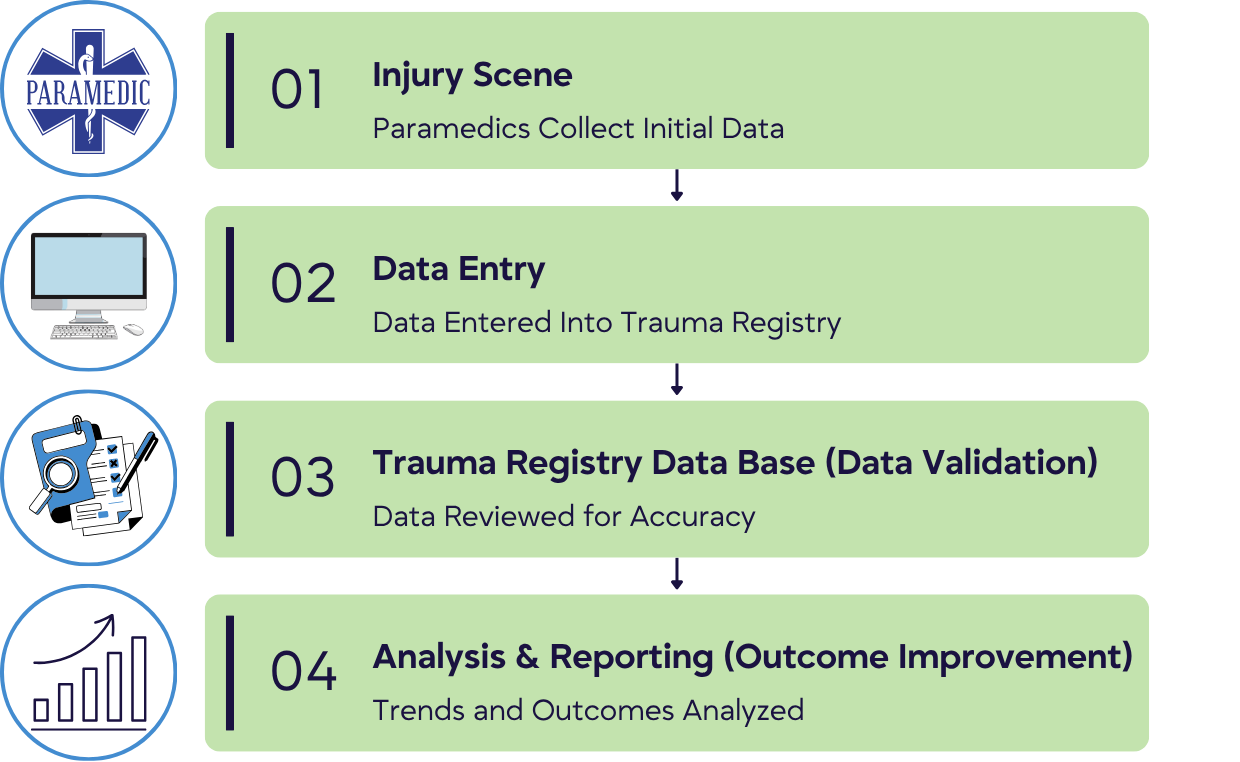 The Trauma Registry Data Lifecycle
Successful programs adopt a proactive, multifaceted approach to data management.
By following these practices, centers can turn data management from a compliance burden into a strategic asset.
Beyond immediate clinical use, trauma registry data management drives research and prevention. Clean, detailed datasets enable studies on injury patterns, treatment efficacy, and long-term outcomes. Researchers can explore topics like the impact of pre-hospital interventions or disparities in rural versus urban care.
Public health agencies use aggregated data to identify high-risk areas or behaviors, such as distracted driving or falls among the elderly. This informs targeted campaigns that reduce injury incidence. Strong data management ensures these analyses are credible and generalizable.
Effective trauma registry data management is not optional; it is foundational to high-quality trauma care. It empowers providers to deliver better outcomes, supports regulatory compliance, advances research, and contributes to safer communities. Hospitals and systems that invest in people, processes, and technology reap significant rewards in terms of patient survival, operational efficiency, and institutional reputation.
As trauma care continues to advance, those committed to high quality in data management will lead the way. Trauma program leaders should assess their current practices, invest in training and tools, and develop a data-driven culture. The lives saved through these efforts make the investment invaluable.
Contact us to learn more about how Velarity HCS can help with every aspect of data management, from staffing to gap analysis.
Source:
(1) Resources for Optimal Care of the Injured Patient 2022 Standards, 6.1 Data Quality Plan
Tip Cards
Clinical Documentation Integrity (CDI)
Download to unlock the full tip card and get the complete breakdown.
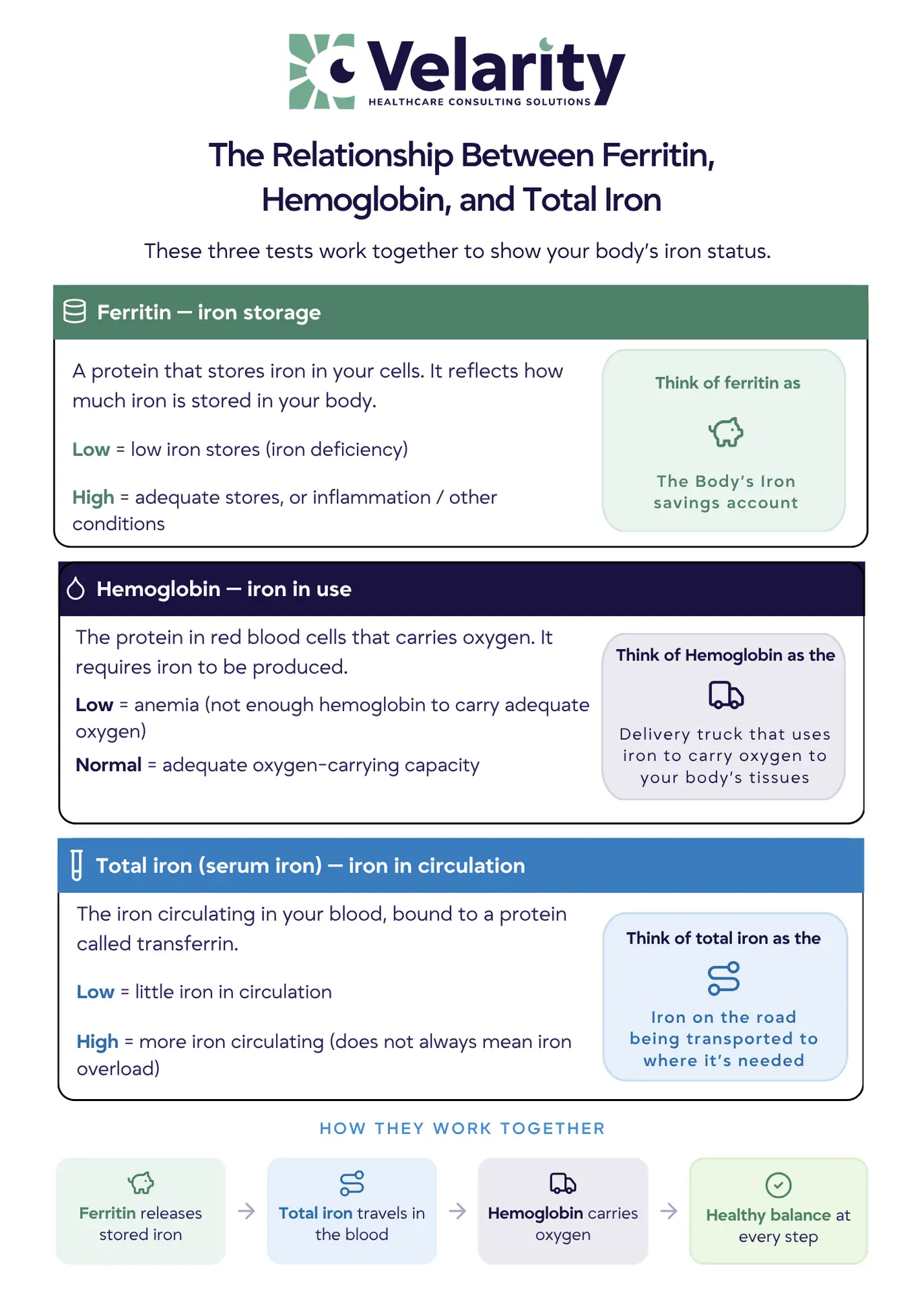
Tip Card: The Relationship Between Ferritin, Hemoglobin, and Total Iron
Blogs
Clinical Documentation Integrity (CDI)
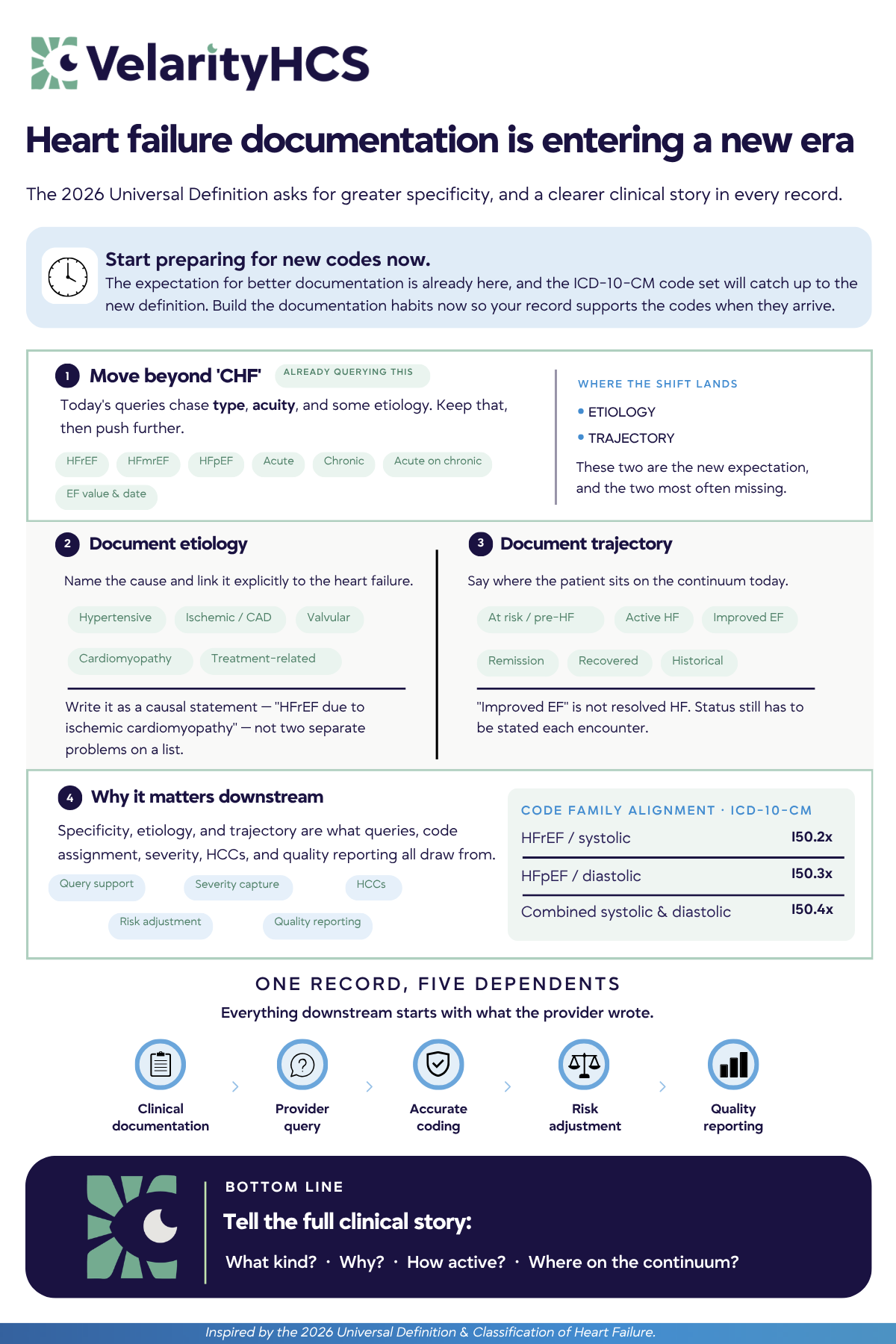
Heart failure documentation is entering a new era, and “CHF” is no longer enough.
The 2026 AHA/ACC/ESC/WHF Second Universal Definition of Heart Failure reinforces what CDI and Coding professionals have long known: accurate heart failure capture depends on specificity. While this update does not introduce new ICD-10-CM codes, it does signal an important shift in clinical language and documentation expectations.
As clinical definitions evolve to better reflect heart failure type, acuity, etiology, ejection fraction phenotype, and disease trajectory, documentation must evolve as well. For CDI teams, this creates an opportunity to strengthen provider education, improve query impact, and support more accurate severity, quality, and risk adjustment reporting. For Coding teams, it reinforces the need for clear provider documentation that supports precise code assignment using existing code sets.
The future of heart failure documentation is not simply identifying that heart failure exists. It is clearly documenting what kind, why it occurred, how active it is, and where the patient is on the disease continuum.
Key CDI Implications
While “CHF” remains common in documentation, it is increasingly insufficient for accurate CDI review and coding.
The updated definition reinforces the need to document:
Instead of documenting only “CHF,” providers should be encouraged to specify:
The updated definition’s emphasis on classifying heart failure causes makes etiologic specificity increasingly important. [1,2]
CDI Query Opportunities
Heart failure documentation may support a query when clinical indicators are present but documentation lacks clarity regarding:
The key CDI question becomes:
Does the documentation tell the complete clinical story of the patient’s heart failure?
The universal definition continues to recognize patients with structural heart disease, biomarker abnormalities, or cardiac dysfunction without classic symptoms as being in a pre-heart failure stage. [1,4]
From an inpatient CDI perspective, pre-HF may not typically drive MCC or CC capture. However, it is increasingly relevant to:
For organizations expanding outpatient CDI or risk adjustment work, this concept may become more important over time.
A major documentation implication is the recognition that heart failure is dynamic. Patients may experience improvement, remission, or recovery rather than remaining in a fixed disease state. [1–3]
This matters because vague statements such as “history of CHF” may not accurately describe a patient whose heart failure remains clinically active and managed.
Documentation may need to distinguish between:
For CDI and Coding teams, this distinction affects severity capture, risk adjustment, clinical communication, and longitudinal documentation accuracy.
Key Coding Implications
The updated definition moves away from overly rigid ejection fraction cutoffs and broadly recognizes heart failure phenotypes such as:
The document also acknowledges that patient-specific factors may influence interpretation of EF and disease phenotype. [1,2]
From a coding perspective, ICD-10-CM codes have not automatically changed because of this clinical definition update. Coders should continue assigning heart failure codes based on provider documentation.
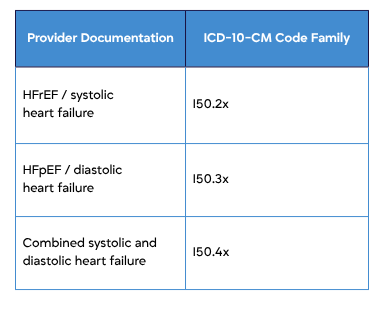
However, CDI teams should anticipate evolving terminology from cardiology societies and monitor for potential future coding guidance changes.
The updated universal definition emphasizes classification of heart failure causes. This is highly relevant for CDI and Coding because cause-and-effect documentation can support more complete code assignment and clinical specificity. [1,2]
Examples include:
For coding accuracy, the provider must clearly document the relationship between heart failure and the underlying condition when required.
Although the universal definition is clinical rather than coding-specific, improved heart failure specificity supports many CDI and Coding priorities, including:
Documentation that clearly identifies heart failure type, acuity, severity, etiology, and trajectory remains essential for both inpatient CDI and outpatient risk adjustment work.
CDI Educational Takeaways
For CDI education, five key messages should be emphasized:
Providers should be encouraged to document heart failure type, acuity, etiology, EF phenotype, and clinical trajectory.
CDI teams should ask:
What caused the heart failure?
The answer may involve hypertension, ischemic disease, valvular disease, cardiomyopathy, infiltrative disease, treatment-related causes, or other clinical conditions.
Heart failure status should reflect current clinical reality. If the patient has improved EF, remission, or recovery, that distinction should be documented clearly.
Heart failure is increasingly viewed as a disease continuum rather than a single encounter diagnosis. This is especially important for ambulatory CDI, HCC education, and population health programs.
Current ICD-10-CM code families remain in use, but CDI and Coding teams should monitor future coding guidance as clinical terminology continues to evolve.
Bottom Line for CDI Leaders
The documentation opportunity is not simply to code heart failure. It is to tell the full clinical story.
References

Blogs
Clinical Documentation Integrity (CDI)
CDI as an Enterprise Quality Strategy
The New Measure of Success
The conversation in CDI is changing.
For years, CDI programs measured success through familiar metrics such as query volume, CC/MCC capture, Case Mix Index (CMI), and financial impact. While these metrics remain important, they no longer fully capture the value CDI delivers to healthcare organizations operating in an environment increasingly shaped by quality reporting, risk adjustment, value-based reimbursement, and regulatory oversight. CMS value-based programs explicitly tie reimbursement to quality, outcomes, patient safety, and efficiency rather than volume alone. [dexur.com], [hhs.gov]
As reimbursement continues to shift toward quality and value-based care models, CDI has evolved from a documentation-focused function to a strategic enterprise partner influencing quality scores, compliance risk, physician engagement, risk adjustment, and financial sustainability. [dexur.com], [hcahpsonline.org]
From Documentation Improvement to Performance Improvement
The modern CDI leader’s role extends far beyond chart reviews and query management.
Understanding Hospital Star Ratings, risk-adjusted mortality, readmissions, Hospital-Acquired Conditions (HACs), PSI-90 measures, and Value-Based Purchasing allows CDI professionals to influence outcomes that matter to patients, providers, executives, and regulators. CMS Hospital Value-Based Purchasing measures include mortality, complications, healthcare-associated infections, patient safety, patient experience, and efficiency. All of these areas are heavily influenced by the accuracy of clinical documentation. [hhs.gov], [hcahpsonline.org]
Documentation serves as the foundation for coded data, quality reporting, risk adjustment, reimbursement, and compliance activities. AHIMA and ACDIS identify CDI as a multidisciplinary function that affects quality outcomes, mortality measures, coding accuracy, reimbursement, medical necessity, risk adjustment, and compliance. [acdis.org], [cdiplus.com]
When documentation accurately reflects patient complexity and clinical decision-making, organizations can:
In this environment, CDI is no longer a supporting function, it is a strategic business partner. [acdis.org], [dexur.com]
The Enterprise CDI Ecosystem
Revenue Cycle
CDI ensures documented severity accurately reflects patient complexity, supporting compliant reimbursement while reducing opportunities for payer denials, retrospective audits, and clinical validation disputes. [acdis.org], [All CDI Status | Excel]
AHIMA and ACDIS tie this work directly to:
Quality
Quality leaders depend on accurate documentation to support risk-adjusted outcomes and publicly reported measures.
Documentation accuracy directly influences:
These measures shape both public reporting and reimbursement under CMS quality programs. [hhs.gov], [dexur.com]
Compliance
As organizations face increasing regulatory scrutiny and payer reviews, CDI plays a critical compliance role.
The AHIMA/ACDIS Guidelines for Achieving a Compliant Query Practice call for:
Together, these reduce an organization’s overall compliance exposure. [acdis.org], [cdiplus.com]
HIM and Coding
Many organizations now treat CDI and coding as components of a single documentation integrity strategy. [acdis.org], [All CDI Status | Excel]
AHIMA and ACDIS identify this collaboration as essential to:
Physician Leadership
Physician advisors, CMOs, and physician champions rely on CDI teams to bridge the gap between clinical practice and documentation requirements. [acdis.org], [cdiplus.com]
AHIMA/ACDIS query guidance centers physician engagement as key to:
Population Health and Risk Adjustment
As healthcare shifts toward value-based care, CDI programs are expanding beyond the inpatient encounter. [dexur.com], [hhs.gov]
CMS value-based programs build in:
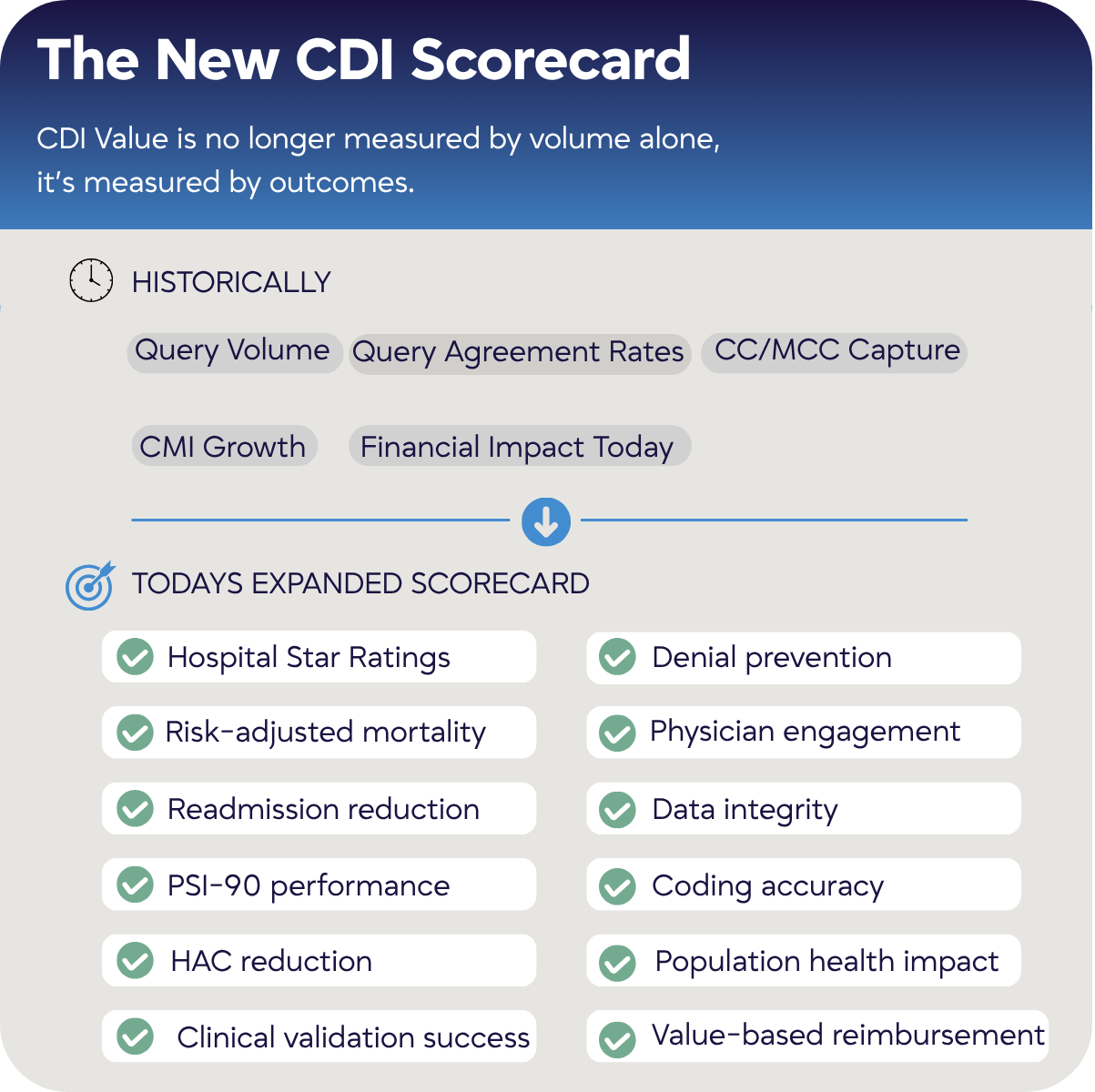
These measures align directly with the outcomes emphasized throughout CMS quality and value-based purchasing programs. [hhs.gov], [dexur.com]
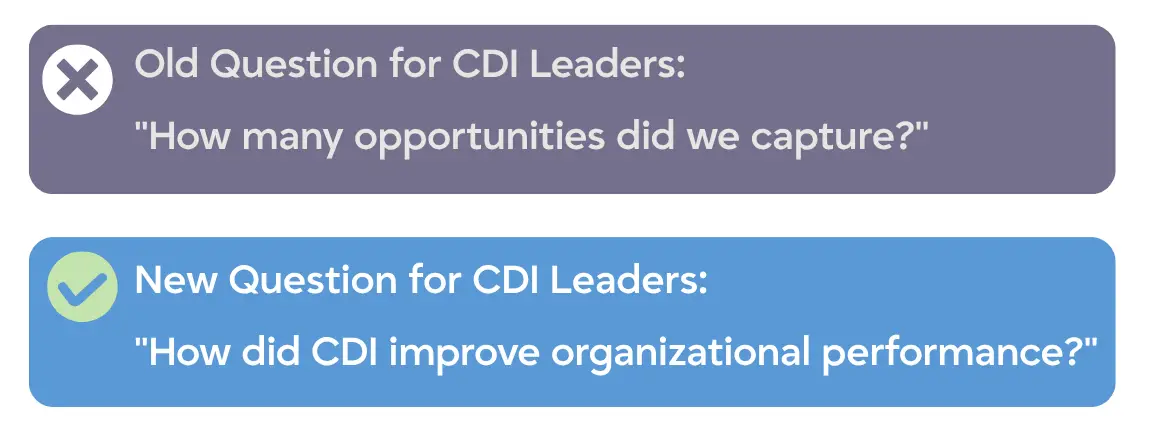
The most important shift is that CDI is no longer measured solely by activity.
It is measured by influence.
The new measure of success is not how many queries were written, but how effectively CDI improves organizational outcomes.
Conclusion
The question is no longer whether CDI professionals should understand CMS quality measures, value-based reimbursement, and organizational performance metrics.
The question is whether healthcare organizations can afford for them not to.
Hospital Star Ratings, mortality measures, readmissions, HACs, PSI-90, value-based purchasing, denials, and compliance risk all begin with the same thing: the clinical story documented in the health record. CMS quality programs tie these outcomes directly to organizational performance and reimbursement. [hhs.gov], [dexur.com]
When that story is incomplete, organizations risk inaccurate quality reporting, missed opportunities for appropriate risk adjustment, increased denials, and weakened value-based performance. AHIMA and ACDIS identify clear, accurate, clinically valid documentation as foundational to quality, coding, reimbursement, compliance, and risk adjustment efforts. [acdis.org], [All CDI Status | Excel]
References

Webinars
Trauma Registry
Missed our July webinar? Access the recording and slides today!
This webinar featured special guest Kevin Shovlin, MBA, BSN, RN, TCRN, CHFP, NE-BC — Account Executive & Trauma Product Specialist.
The trauma registrar is far more than a data entry role, and this session proves it.
Kevin will walk through how trauma registrars can step into their full potential as active contributors to Performance Improvement, covering:
Whether you’re a trauma registrar, PI coordinator, or trauma program leader, this is a session you won’t want to miss.
To download the slides for this presentation, click here!

Blogs
Cancer Registry
Unlike many healthcare departments, cancer registries do not have a universally accepted productivity model. The work of the ODS does not generate relative value units (RVUs) or other traditional performance metrics, making completed cases the most common metric used to evaluate performance. However, case counts alone fail to capture the complexity of registry work or the full scope of an ODS’s responsibilities.
Rather than promoting a universal standard, this article presents a practical framework that measures the time required to complete the three core registry functions associated with a completed case:
The goal is to establish realistic productivity expectations while maintaining complete, accurate, and timely cancer registry data.
The ODS must interpret complex clinical documentation and apply multiple national coding guidelines and staging standards that are continually updated, including:
In addition to national standards, many organizations require collection of institution specific data elements to support accreditation, quality improvement, physician performance reporting, research, and strategic initiatives. These additional responsibilities further influence the time required to accurately complete each case.
Abstracting is only one component of the Oncology Data Specialist’s workload.
Depending on the organization, ODS staff may also be responsible for:
Each of these responsibilities reduces the amount of time available for abstract completion and should be considered when establishing productivity expectations.
One of the greatest challenges in measuring productivity is the variation in case complexity.
Factors that significantly influence abstraction time include:
For this reason, productivity should be measured using average hours per completed abstract, rather than a fixed number of cases per day. Our suggested expectation is an average of 2 hours per completed abstract.
A simple tracking tool should include:
Calculating ODS Productivity:
Productivity expectations should be based on actual abstracting time. Meetings, quality assurance, follow up, case finding, state reporting, accreditation activities, education, software issues, physician queries, and other assigned responsibilities reduce the number of hours available for abstract completion and should be considered when establishing productivity goals.
Productivity should encourage efficiency while maintaining the integrity of cancer registry data.
Organizations that establish realistic productivity expectations and recognize differences in case complexity create a more sustainable work environment, improve staff retention, and produce higher quality registry data.
A productivity benchmark of approximately 2 hours per completed abstract can serve as a practical operational target for many cancer registry programs. However, no single benchmark is appropriate for every organization. Productivity expectations should be defined by the cancer program.
Take the first step today. Review one month of registry activity, calculate your team’s average hours per completed case, assess quality outcomes, and determine whether your current productivity expectations accurately reflect the work being performed.
Productivity is not measured by the number of abstracts completed. It is measured by the ability to consistently produce accurate, timely, and complete cancer registry data while maintaining a sustainable workload for your Oncology Data Specialists.
Not sure where to start?
Velarity’s Cancer Registry Operational Assessment provides a comprehensive evaluation of productivity, workflows, staffing, quality, and operational performance. Our experienced cancer registry leaders identify opportunities to improve efficiency, strengthen data quality, optimize staffing, and prepare your program for long-term success.
Whether you need an operational assessment, strategic consulting, interim leadership, or experienced Oncology Data Specialists, Velarity HCS delivers customized solutions that help cancer programs build stronger, more sustainable registry operations.

Blogs
Clinical Documentation Integrity (CDI)
As healthcare continues its transition toward value-based care, the role of the clinical documentation integrity (CDI) specialist is expanding. Once primarily focused on MS-DRG optimization, CDI professionals are now central to ensuring documentation supports reimbursement, quality measurement, risk adjustment, and organizational performance.
In this evolving environment, understanding risk adjustment is no longer optional; it is essential to effective CDI practice.
The Centers for Medicare & Medicaid Services (CMS) defines risk adjustment as a methodology that adjusts payment based on a patient’s health status, expected utilization, and cost of care.
While historically associated with reimbursement, risk adjustment plays a much broader role. It supports equitable comparisons across providers by accounting for differences in patient complexity, ensuring that organizations treating sicker populations are not unfairly penalized.
Additionally, CMS emphasizes that risk-adjusted measures enable fair and meaningful performance comparisons across healthcare entities. For CDI specialists, this reinforces a key shift in focus: documentation does not simply determine payment, it defines how patient populations, provider performance, and outcomes are evaluated.
Risk adjustment models depend on diagnosis codes reported on claims, which originate from provider documentation. As such, the health record serves as the foundation for accurately representing patient complexity.
Models such as CMS-HCC rely on ICD-10-CM diagnosis codes to predict expected healthcare costs and establish risk scores.
Incomplete, non-specific, or unsupported documentation can result in underrepresentation of chronic conditions and severity of illness. This not only affects reimbursement but also distorts the patient’s clinical profile in downstream analytics. It is also important to recognize that CMS risk adjustment models are prospective. Diagnoses captured during one period influence future payment and benchmarking.
Implication for CDI: Ensuring clear, specific, and clinically supported documentation is critical, not just for the current encounter, but for future financial and quality outcomes.
AHIMA identifies clinical documentation as the cornerstone of healthcare data, supporting reimbursement, quality reporting, public reporting, and analytics.
Accurate documentation directly impacts severity-adjusted outcomes such as mortality, readmissions, and complication rates. Without proper capture of comorbidities, provider performance data may be skewed, making it appear as though outcomes are worse than they truly are.
CDI professionals play a crucial role in ensuring in a data-driven healthcare environment, the integrity of documentation ultimately determines the reliability of reported outcomes.
The rapid growth of Medicare Advantage has intensified the importance of risk adjustment across the healthcare continuum. CMS-HCC models use documented diagnoses to calculate risk scores that directly influence payment.
A critical distinction in these models is that conditions must be documented and supported on an ongoing basis. Because risk scores are recalculated annually, chronic conditions generally need to be captured each year to remain active contributors.
Failure to do so may result in:
This has shifted attention upstream, away from solely inpatient encounters and toward the settings where longitudinal patient care is documented.
As risk adjustment initiatives mature, one reality has become increasingly clear: much of the documentation that drives risk scores originates outside the inpatient setting.
Primary care visits, specialty clinics, and outpatient encounters are where chronic conditions are most consistently evaluated, monitored, and managed. These settings form the backbone of risk-adjusted data used in Medicare Advantage and other value-based programs.
For CDI programs, this represents a significant opportunity to broaden their scope beyond the hospital and into:
AHIMA emphasizes that CDI programs support accurate representation of patient status, reimbursement, and healthcare decision-making across the continuum of care.
In this expanded role, CDI professionals can:
This transition positions CDI as a bridge between inpatient, outpatient, and data analytics functions. This ensures continuity and accuracy in how patient complexity is recorded and reported.
To effectively support risk adjustment, CDI professionals should adopt a broader, more integrated approach to documentation improvement.
Key priorities include:
By extending CDI efforts into ambulatory and population health environments, organizations can better align documentation practices with the realities of value-based care.
The role of the CDI specialist continues to evolve alongside the healthcare landscape. Risk adjustment now influences not only reimbursement, but also quality measurement, provider profiling, and organizational performance.
As much of the documentation driving risk adjustment originates in outpatient and longitudinal care settings, CDI programs have a clear opportunity to expand their impact beyond the hospital walls.
CDI professionals who understand and engage in risk adjustment across the continuum of care are uniquely positioned to ensure that documentation accurately reflects patient complexity, and to serve as strategic partners in advancing both financial and quality outcomes.
In today’s environment, CDI is no longer confined to capturing CCs and MCCs. It is about ensuring the complete and accurate story of the patient is told wherever care is delivered.
Webinars
Trauma Registry
Couldn’t Join Us Live? Get Instant Access to the Recording & Slides
Led by Michael Trelow, CSTR, CAISS, this session was requested by our participants, and you won’t want to miss it!
Click here to download the slides!

Blogs
Utilization Management & Case Management
Let’s be honest! What does Case Management and Utilization Review look like in your Emergency Department?
When a patient comes into the ED, I know the last thing on your mind is documentation strategy. You’re focused on the care of the patient in front of you, getting orders in, managing the family, coordinating with the team. I get it, I’ve been a part of the ED team.
But the reality is that denial rates are at all-time highs. According to HFMA, initial denials are up from 11.41% in 2024 to 11.65% in 2025. Healthcare Finance News reports that in 2025, approximately 2,300 hospitals reported denial-related losses of around $48 billion.
Those aren’t just revenue cycle numbers, that’s real money that was supposed to support real patient care, slipping away because of gaps that often start at admission.
Having worked across level 1 trauma centers, community hospitals, and emergency departments in roles spanning utilization review, discharge planning, complex care transitions, and case management leadership, I can say with confidence that most of these denials are preventable. And it starts with what happens in the first few hours of a patient’s stay.
Here is what we can accomplish when you have engaged Utilization Review (UR) nurses and a team of admitting physicians.
A physician order to admit is just the beginning. What UR nurses need is the clinical picture, the acuity, the comorbidities, the reason this patient cannot be safely managed at a lower level of care. “Admit for chest pain” is a sentence. It’s not a story. Payers want to see why this patient, on this day, needed inpatient or observation-level care. The earlier you paint that picture, the better we can protect the stay.
This is one of the biggest misconceptions I run into. Status designation isn’t something that should be sorted out later by billing. The clinical documentation from the admitting provider directly determines whether a patient qualifies for inpatient status. When clinical findings that support medical necessity are not documented at admission, retrospective clarification efforts can make it harder to support the inpatient level of care. When the documentation does not clearly support the inpatient order, the UR team is left coordinating provider clarifications, resubmitting clinicals, and working against a shortened timeline to obtain a payer determination while the patient is still in-house.
And let’s face it, retrospective work is costing additional dollars. Front-line UR nurses are typically overwhelmed with completing first-day and concurrent reviews, along with sending clinicals. Once that initial denial is issued, you need an experienced appeals team working the denial and assisting with setting up peer-to-peers, if offered. It would absolutely be best practice to prevent the initial denial if possible. Understanding that in this current environment that may not always be possible, it is also important to have a meticulous and highly proficient appeals and denials nurse supporting your team.
Realistically, a patient admitted for pneumonia who also has COPD, Type 2 Diabetes, and heart failure is a completely different clinical picture than a patient with pneumonia alone. It’s a much more complex care plan that may require a longer length of stay. Every active condition being monitored or affecting treatment should be in the chart. For example, malnutrition is a diagnosis that sometimes gets under-documented. Depending on the documented severity, this could be the difference between a CC and an MCC that can directly impact the hospital’s reimbursement. These comorbidities help paint a complete picture of the patient’s clinical complexity and the level of care, monitoring, and resources required throughout the hospitalization. We can advocate much more effectively when the full complexity of your patient is visible.
I see the ED as the front line in identifying patient needs and helping shape the trajectory of care. Understanding that everything moves fast in the ED, it is helpful to the UR team when providers are capturing the full picture of what is occurring with the patient. And let’s not forget the severity of illness while the patient may have been en route in the ambulance! Many times, this is when the patient is at the peak of their medical crisis and is receiving vital treatment. Patient Care Reports from EMTs can also help paint the picture of just how sick the patient is and why hospital care was necessary. Their initial assessment allows for a supported, defensible admission that will, in the long run, save the hospital money.
UR nurses are not here to practice medicine or to create more work for an already stretched clinical team. Consider us your go-to resource when it comes to payer guidelines and an ally that helps with patient benefits and reimbursement. Our goal is to advocate for the patient — including their benefits — and part of that is making sure hospitals are appropriately reimbursed for the care delivered. When billions of dollars in revenue are lost, hospitals struggle to pay for basic needs to keep their doors open. According to the USDA Economic Research Service, between 2005 and 2023, over 140 rural hospitals closed their doors or were converted to non-acute care facilities. Becker’s reports that just this year, in 2026, 18 hospitals completed mergers and acquisitions with larger, more stable health systems. When these smaller rural hospitals close their doors, it’s the patients that suffer. Typically, it is at these hospitals where they can get lifesaving treatment quickly and then, if needed, transfer to higher levels of care.
The relationship between admitting physicians and UR professionals may be one of the most underleveraged partnerships in healthcare. When it works, everybody wins!
Whether you’re a utilization review nurse looking to sharpen your skills, an admitting provider seeking to better understand payer expectations, or a hospital leader focused on reducing denials, we’d love to connect.
We enjoy sharing insights on emerging trends, discussing common challenges, and learning what’s working across organizations.
Contact us today if you have any questions or inquiries!
Cass, A. (2026, June12). 18 hospital M&A’s finalized in 2026. Becker’s Hospital Review.
Morse, S. (2026, April 2). Hospitals’ Net Revenue Leakage Increase 25% Due to Denial Claims. Healthcare Finance News.
Rupasingha, A., & Cho, J. (2025). Federal assistance and rural hospital closings: The impact of the USDA Community Facilities Program (Report No ERR-344). U.S. Department of Agriculture, Economic Research Service.
Williams, J. (2026, January 30). Battle of the Bots intensifies over denials. Healthcare Financial Management Association.

Webinars
Trauma Registry
Missed our May webinar? Check out the recording and slides today!
Trauma programs manage an extraordinary volume of complex data, and effective data management is essential to ensure quality outcomes, regulatory compliance, and ongoing performance improvement.
In this session, Michael Trelow, Director of Trauma Quality, will share practical insights drawn from real‑world experience in trauma quality and data oversight.
Webinar objectives include:

Webinars
Clinical Documentation Integrity (CDI)
We hosted a webinar for the Indiana chapter of ACDIS (the Association of Clinical Documentation Integrity Specialists), missed it? Watch the full recording here.
What is covered:
If you’ve ever felt like the clinical picture was a little… muddled, this session will help you cut through the fog and sharpen your CDI insight.

Webinars
Trauma Registry
Couldn’t Join Us Live? Get Instant Access to the Recording & Slides
This webinar is a focused deep dive into the essential work of trauma registrars, led by Michael Trelow, CSTR, CAISS, and special guest Jennifer King, CAISS. Jennifer is a trauma registry expert with 20+ years of experience across Level I–IV, pediatric, and burn centers.
Topic: The Trauma Registrar: Where Chaos Becomes Data
What You’ll Learn:
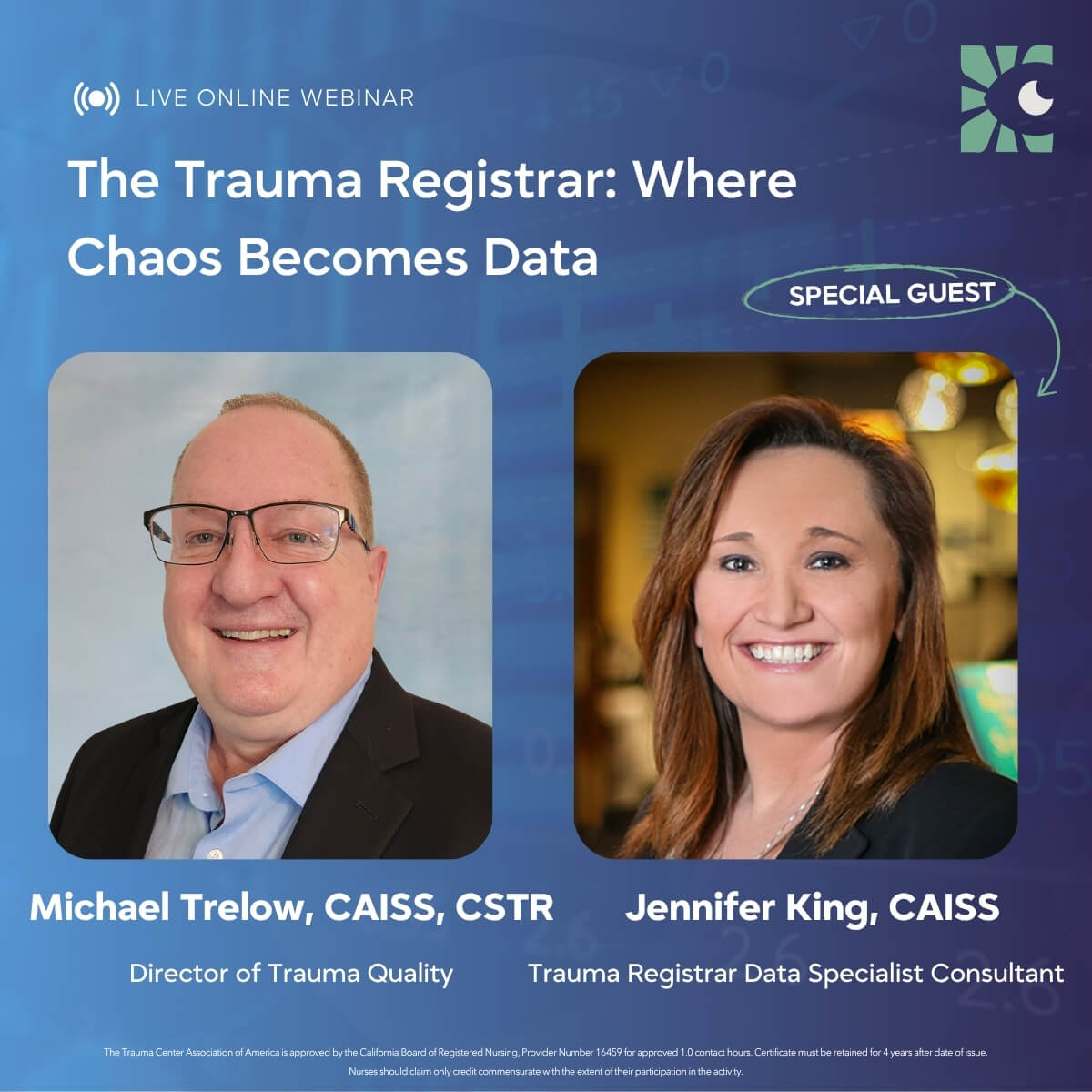
Webinars
Trauma Registry
Couldn’t Attend? Get the Webinar Slides and Full Recording
Topic: Inside the Spine: Anatomy & Fracture Types
Date: March 25th
During this session, we will:
Click here to download the slides: Vertebral Spinal Injuries 1

Tip Cards
Utilization Management & Case Management
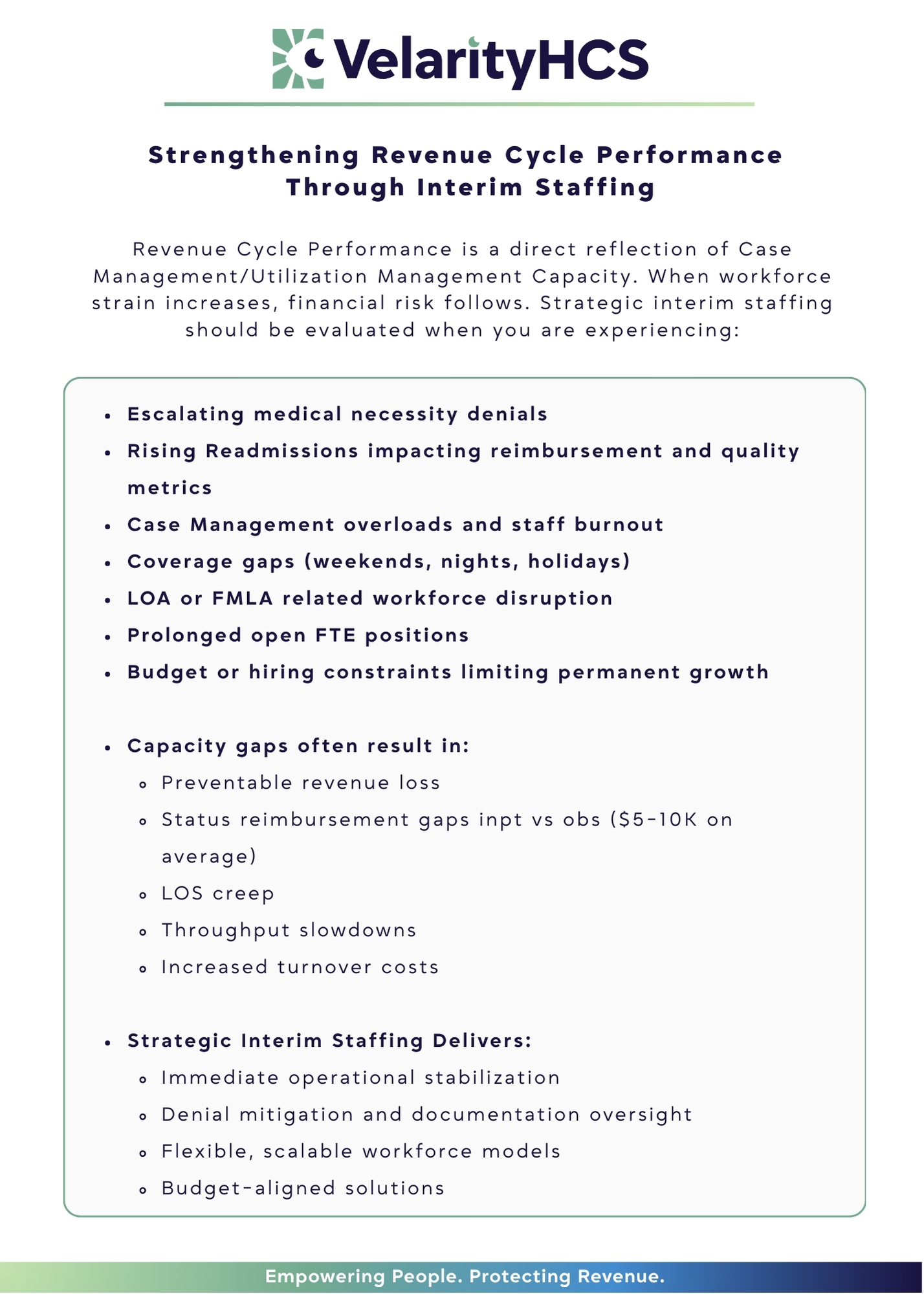
Tip Cards
Utilization Management & Case Management
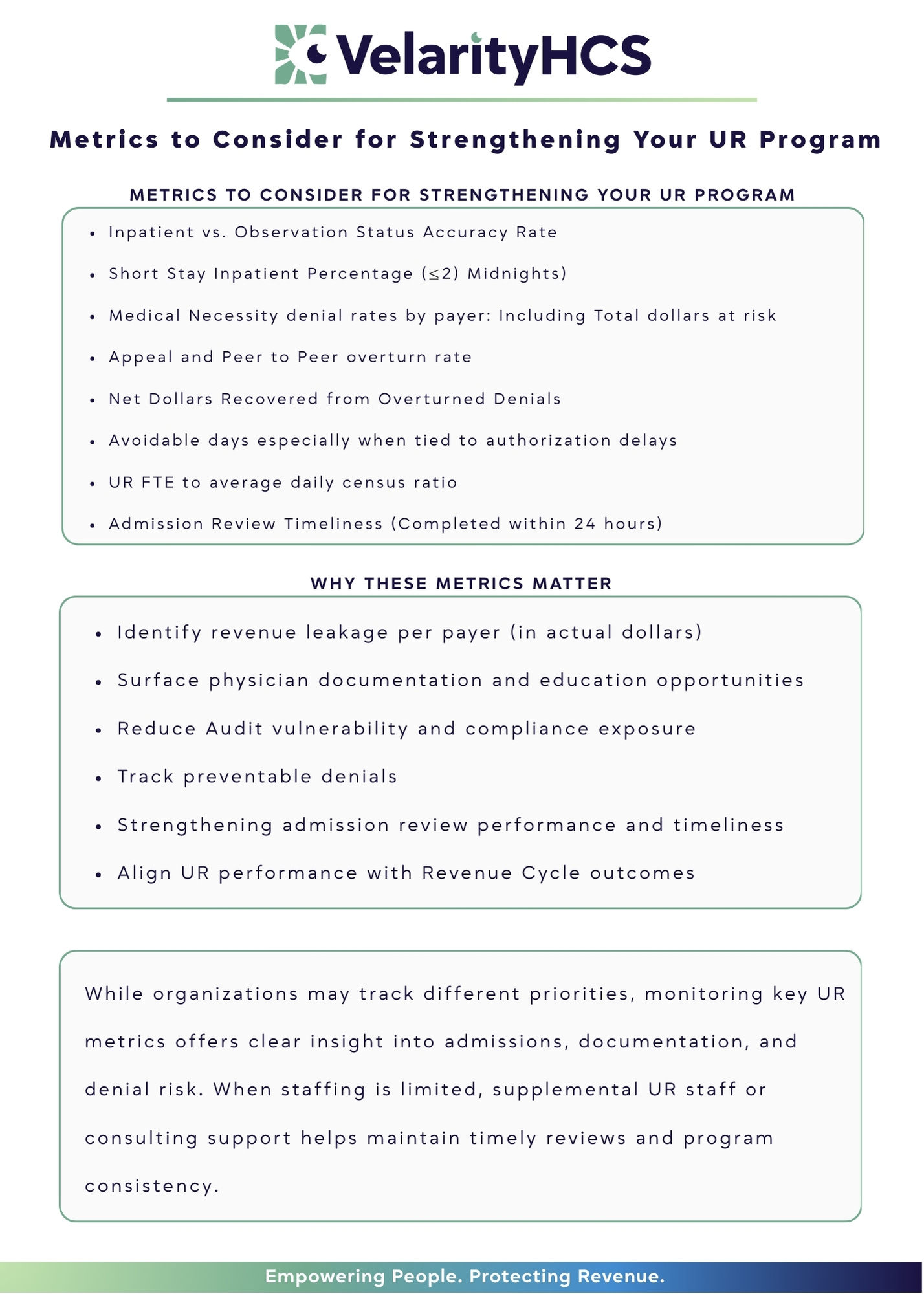
Tip Cards
Utilization Management & Case Management
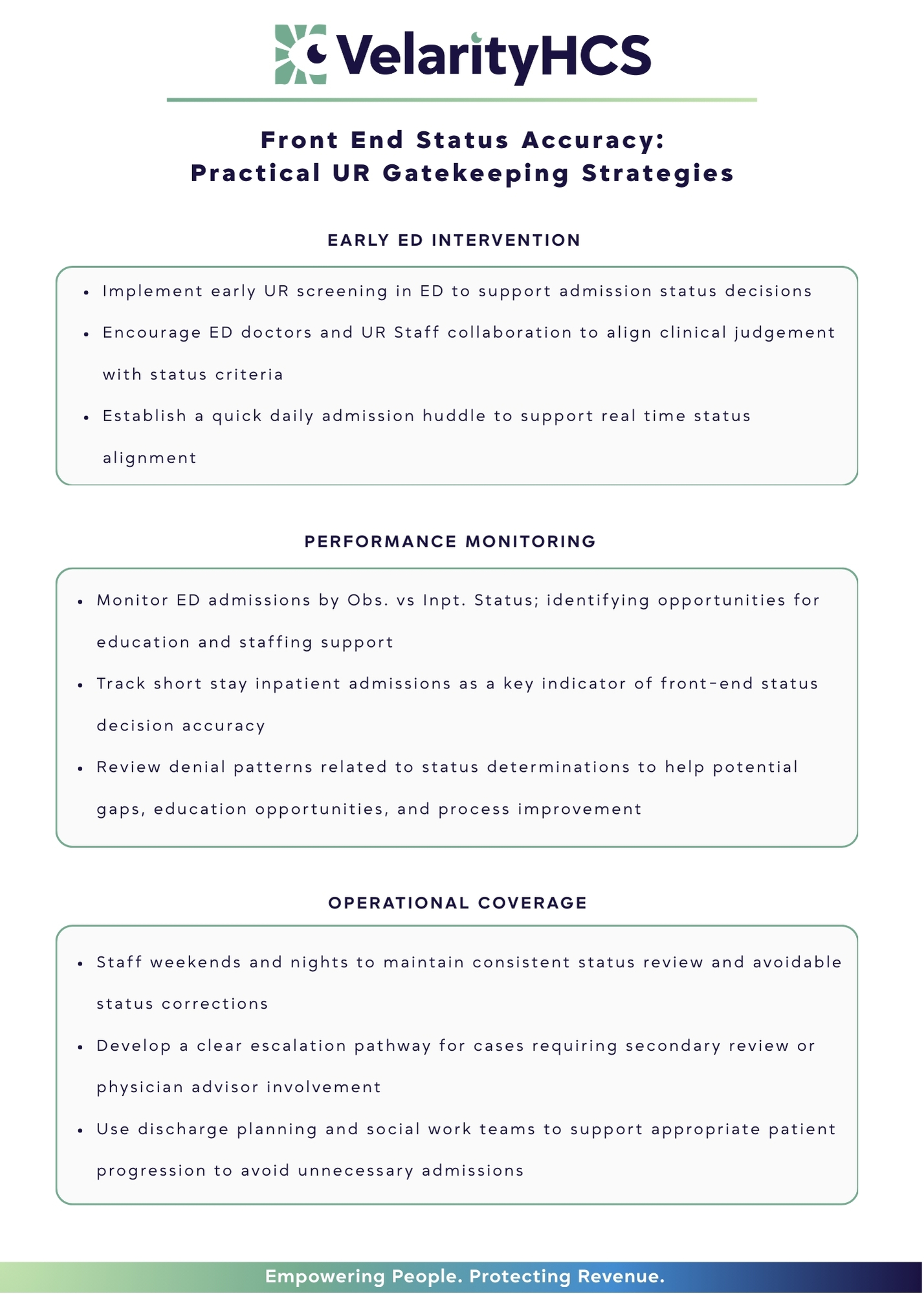
Tip Cards
Utilization Management & Case Management
Download to unlock the full tip card and get the complete breakdown.
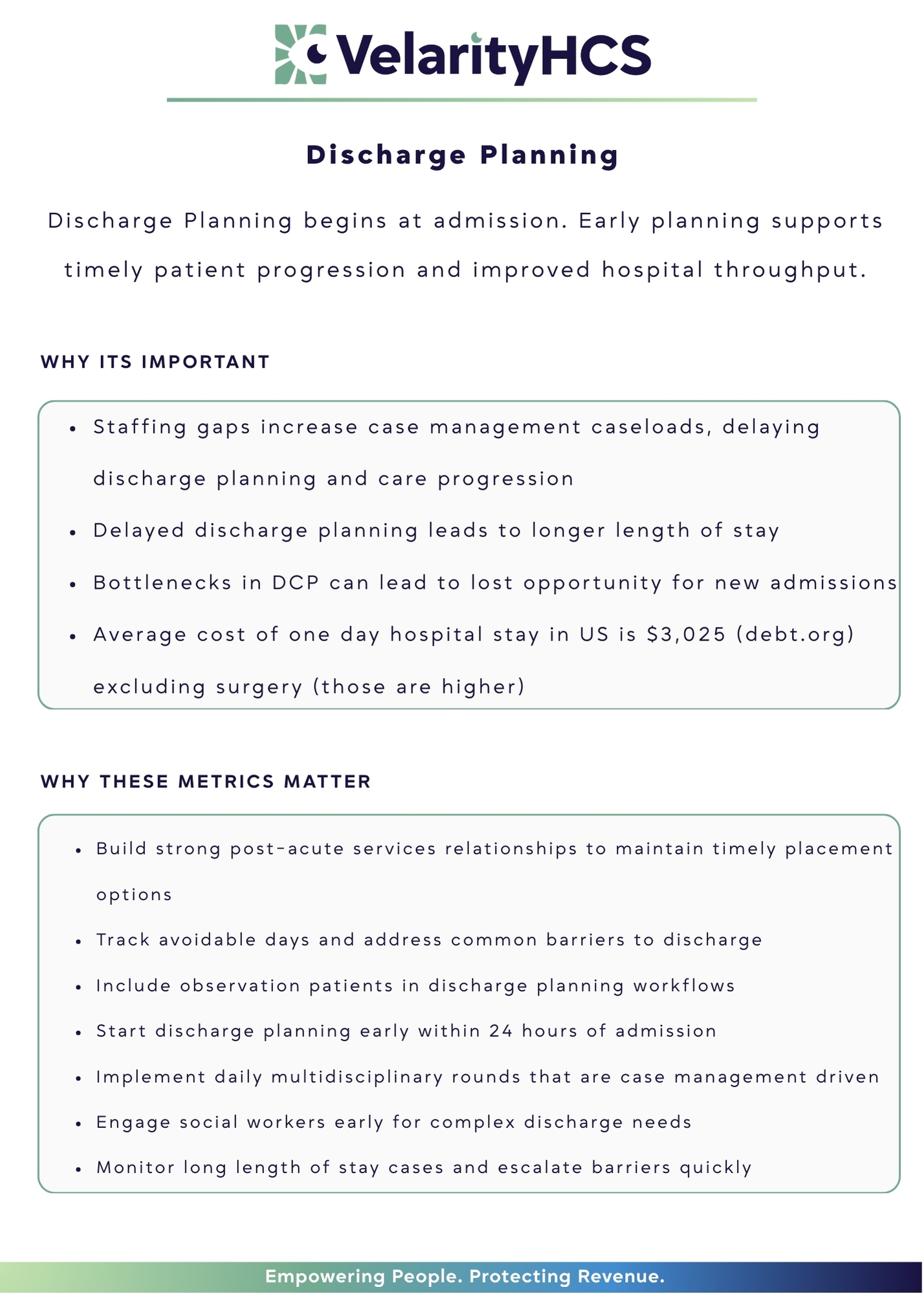
Tip Cards
Cancer Registry
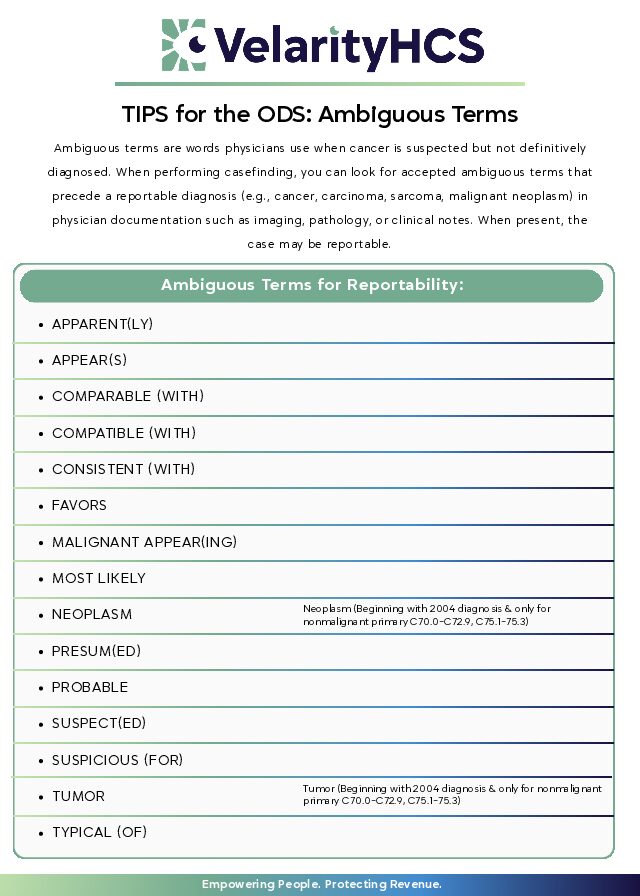
Tip Cards
Cancer Registry
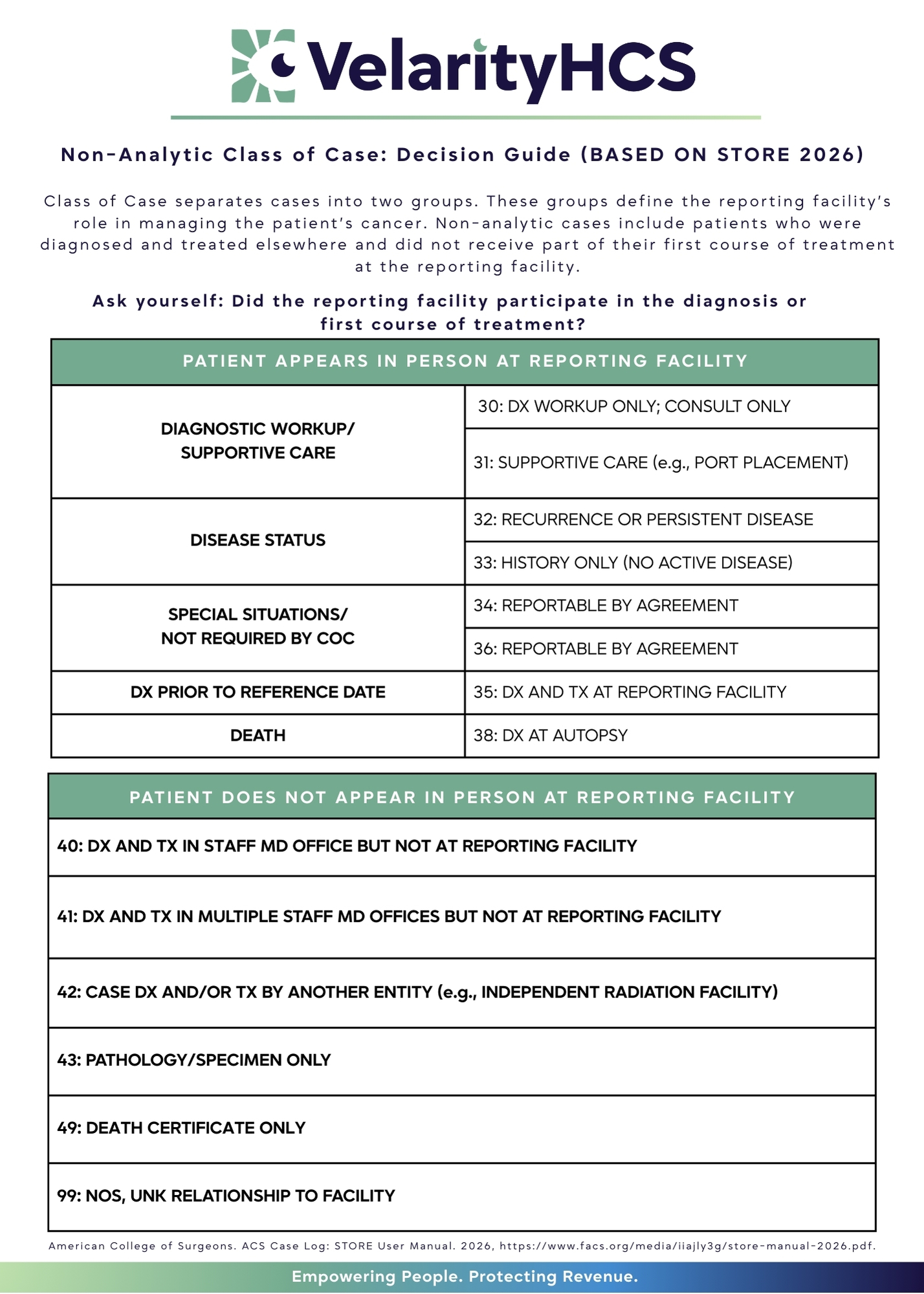
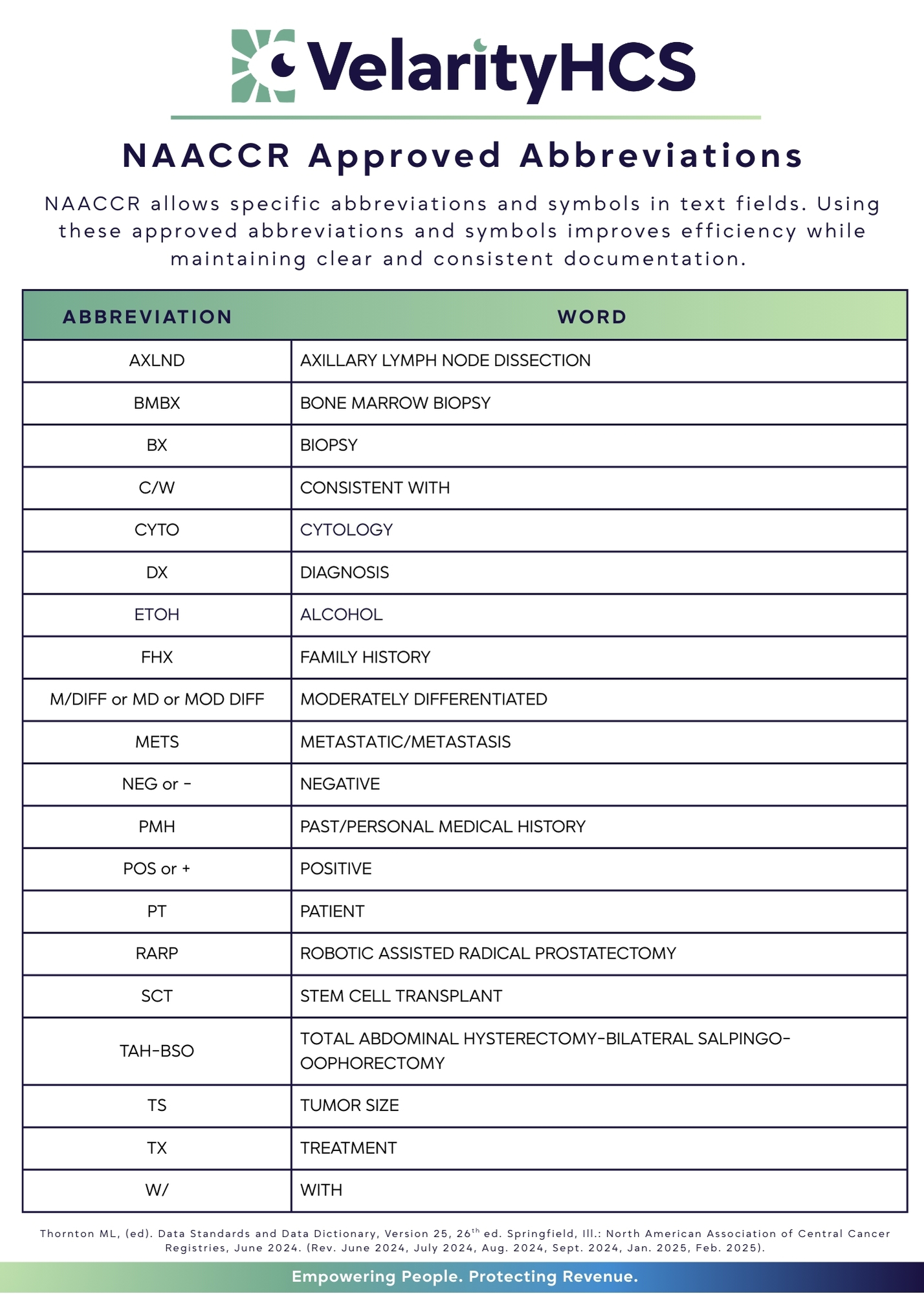
Tip Cards
Cancer Registry
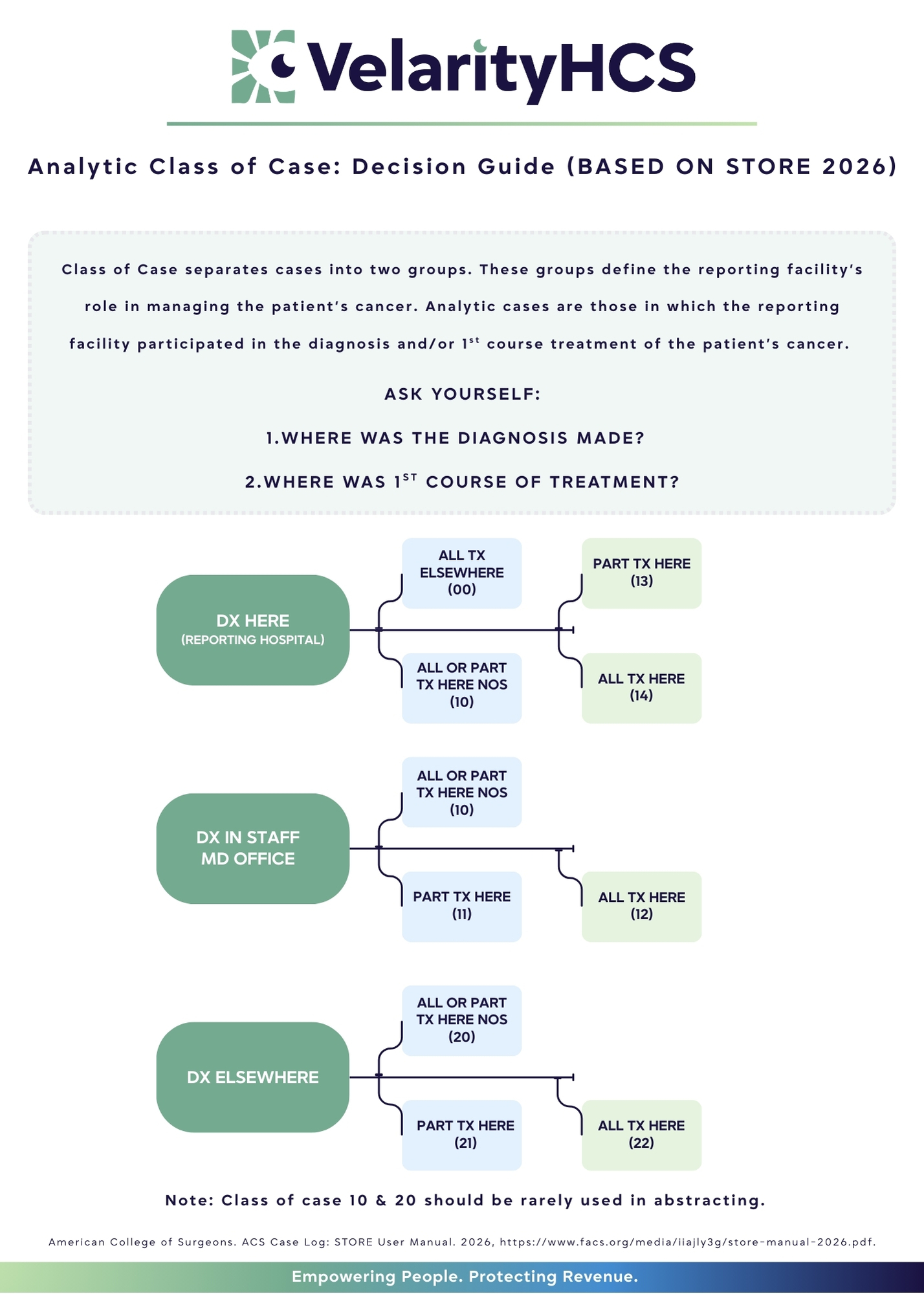
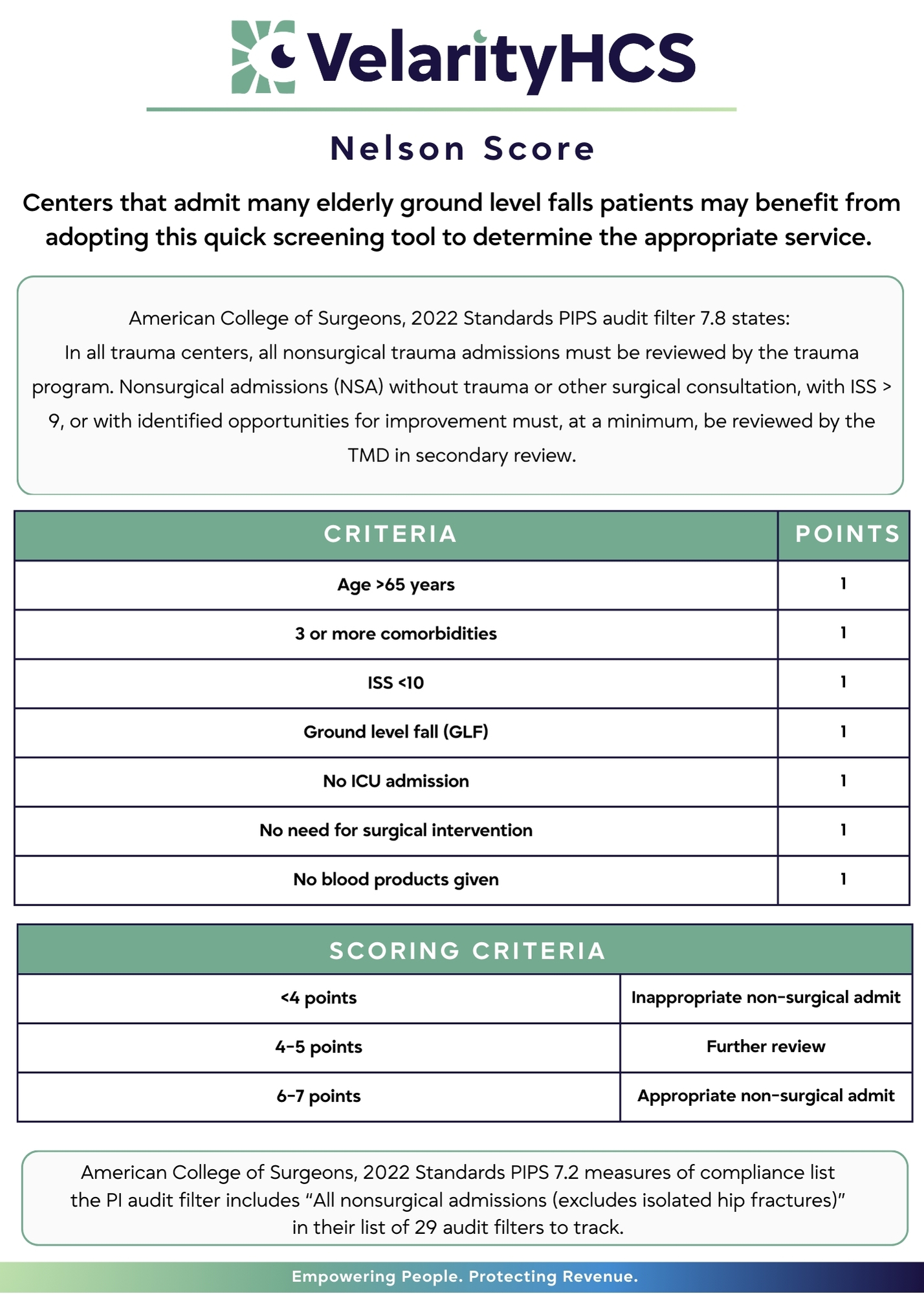
Tip Cards
Clinical Documentation Integrity (CDI)
Download to unlock the full tip card and get the complete breakdown.
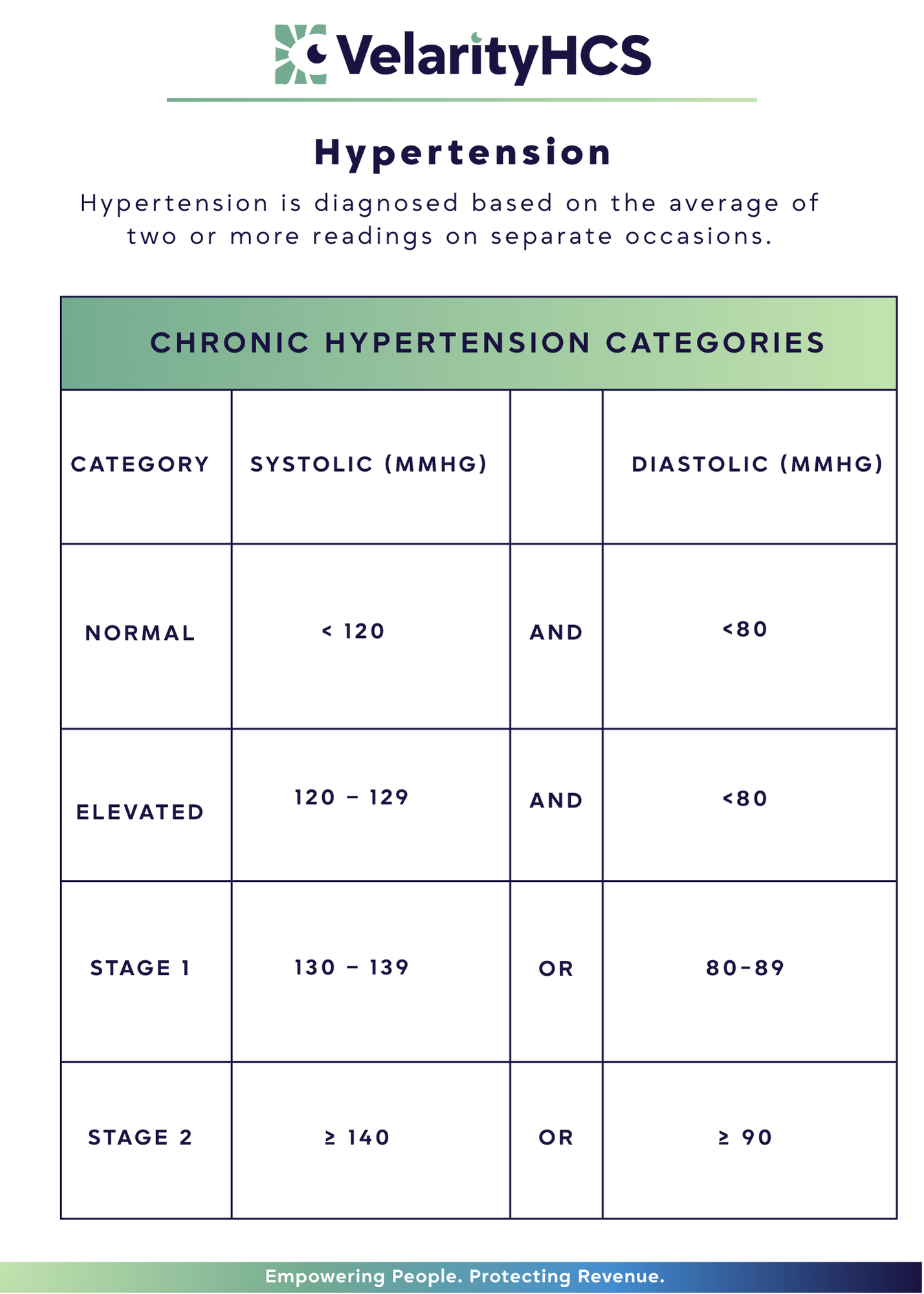
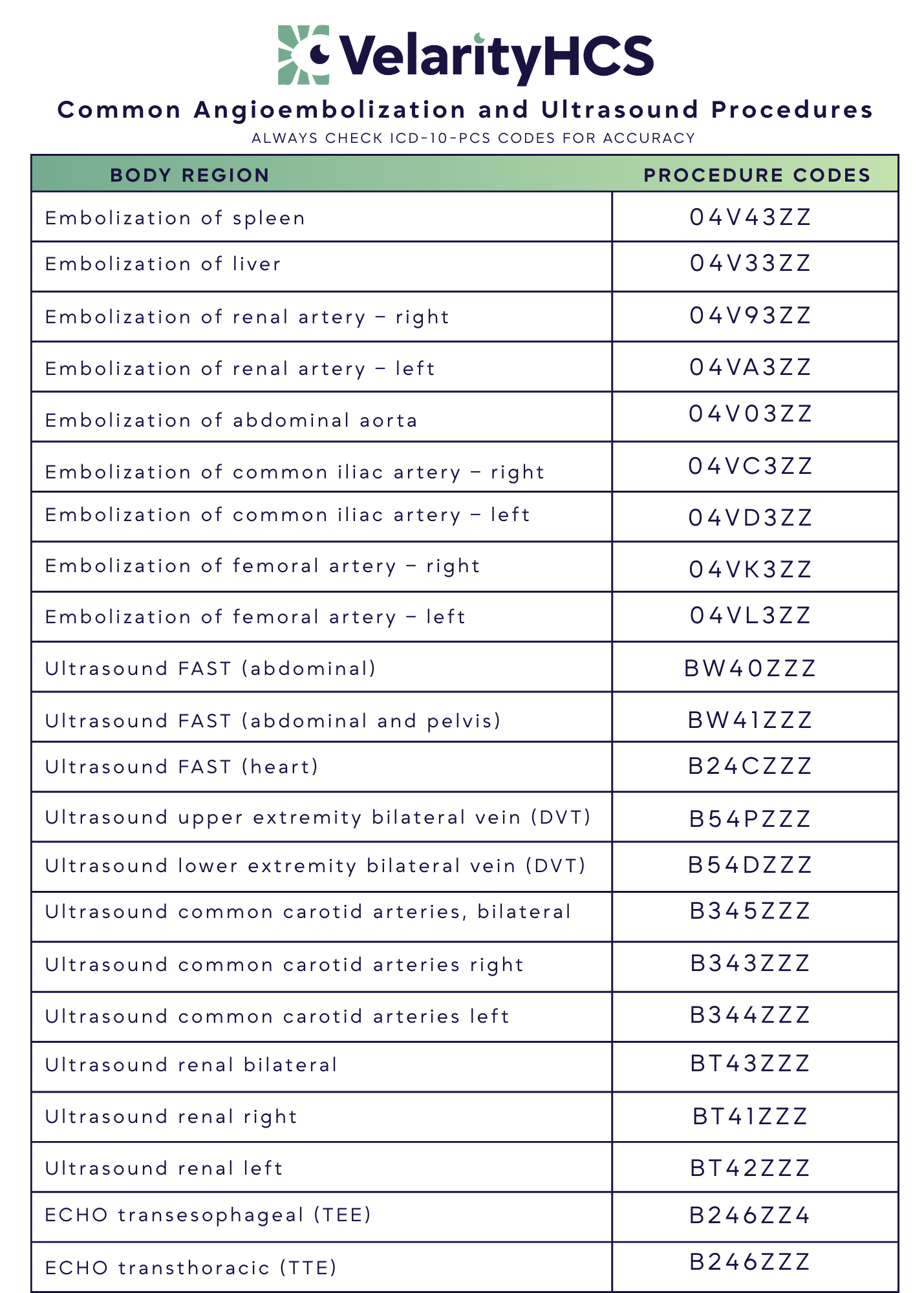
Tip Cards
Trauma Registry
Download to unlock the full tip card and get the complete breakdown.
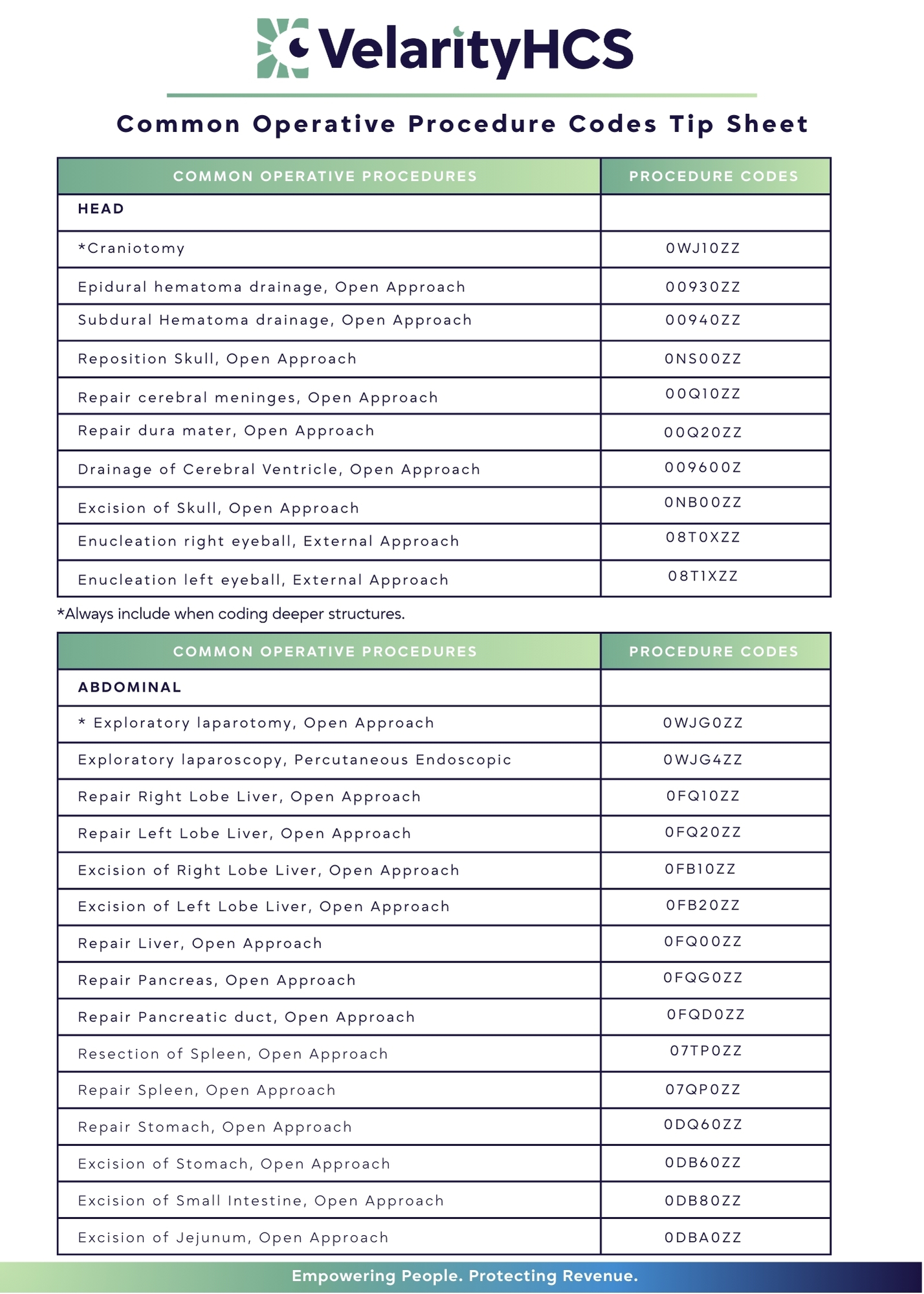
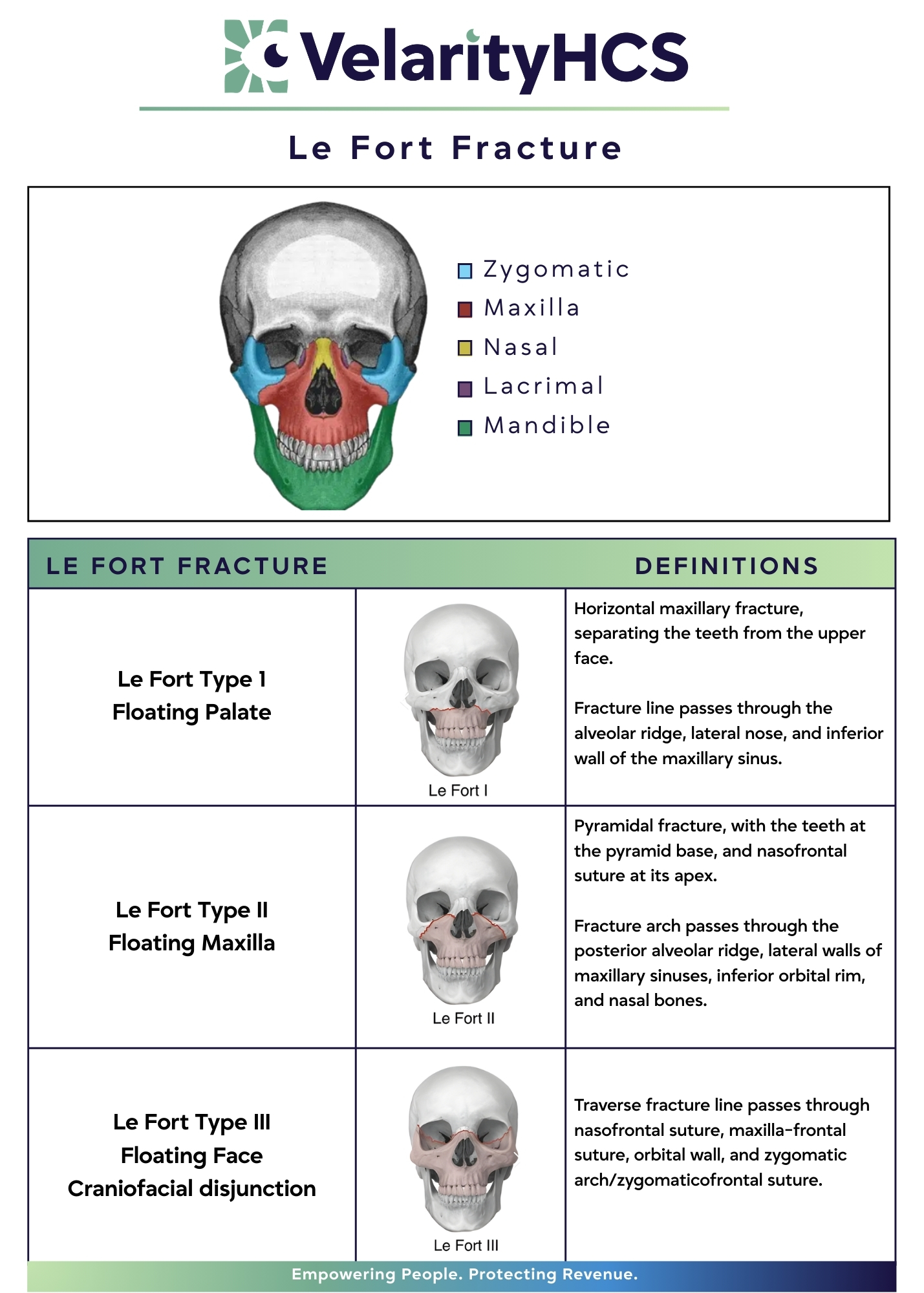
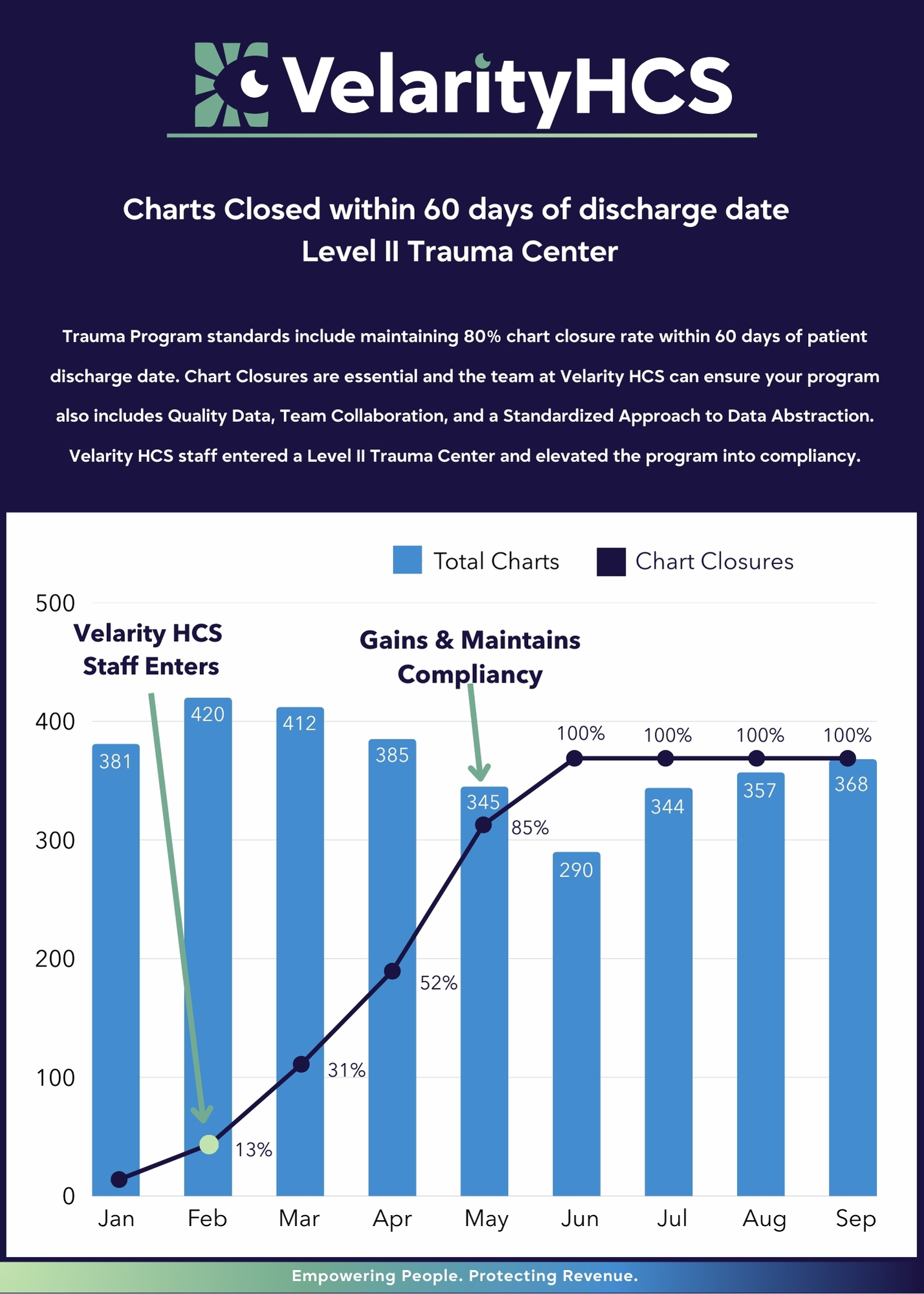
Tip Cards
Clinical Documentation Integrity (CDI)
Tip Card- TEAM Guide Transforming Episode Accountability Model
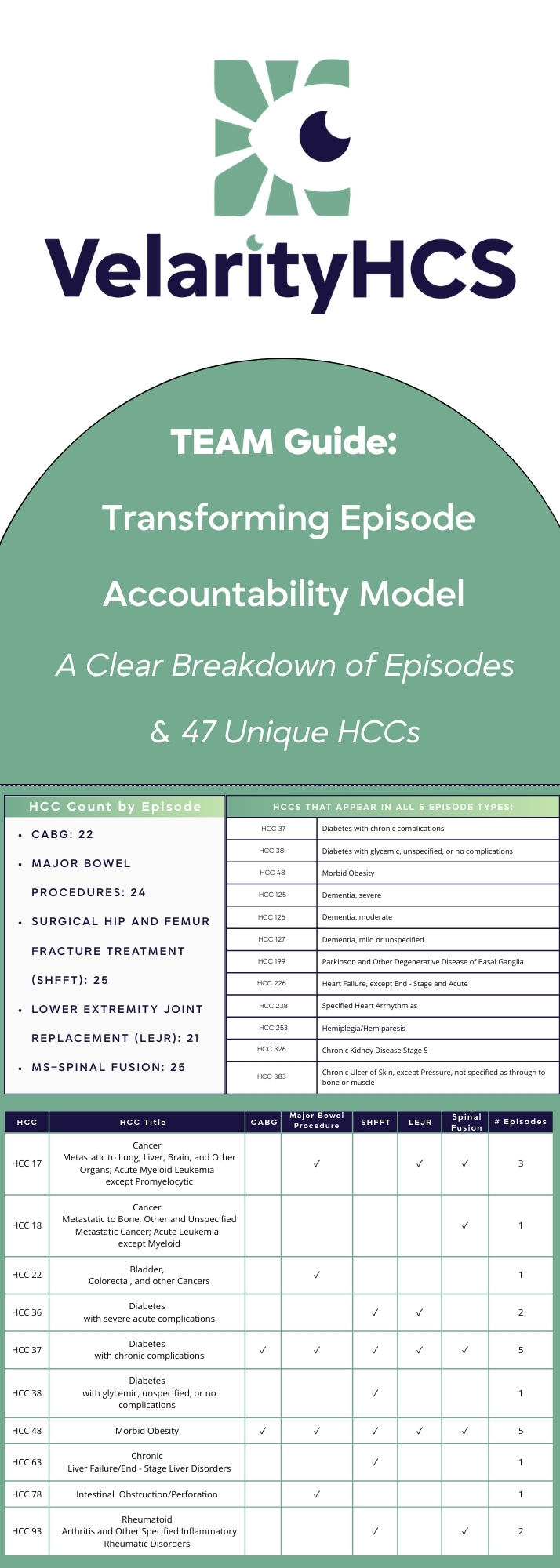
Tip Cards
Clinical Documentation Integrity (CDI)
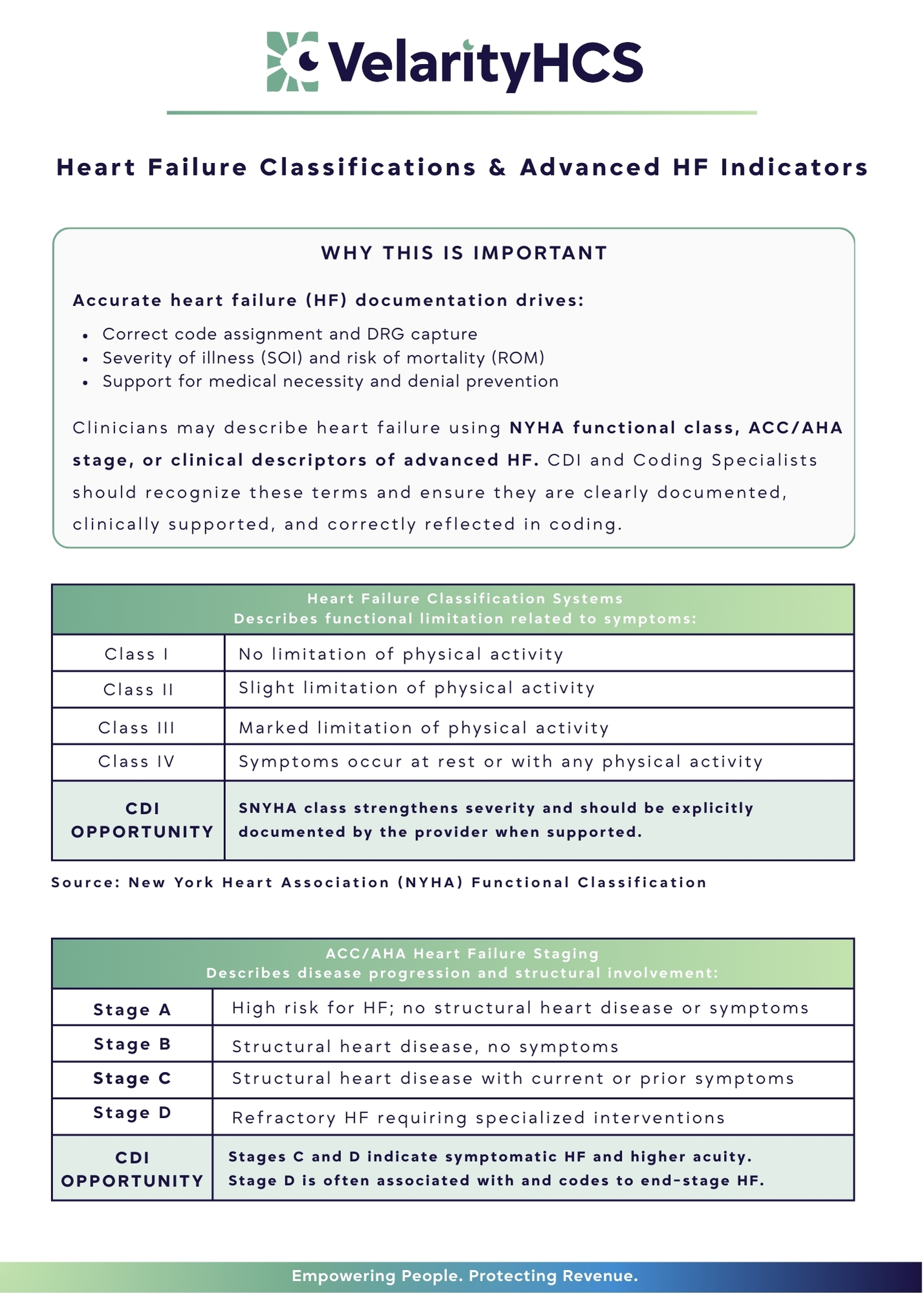
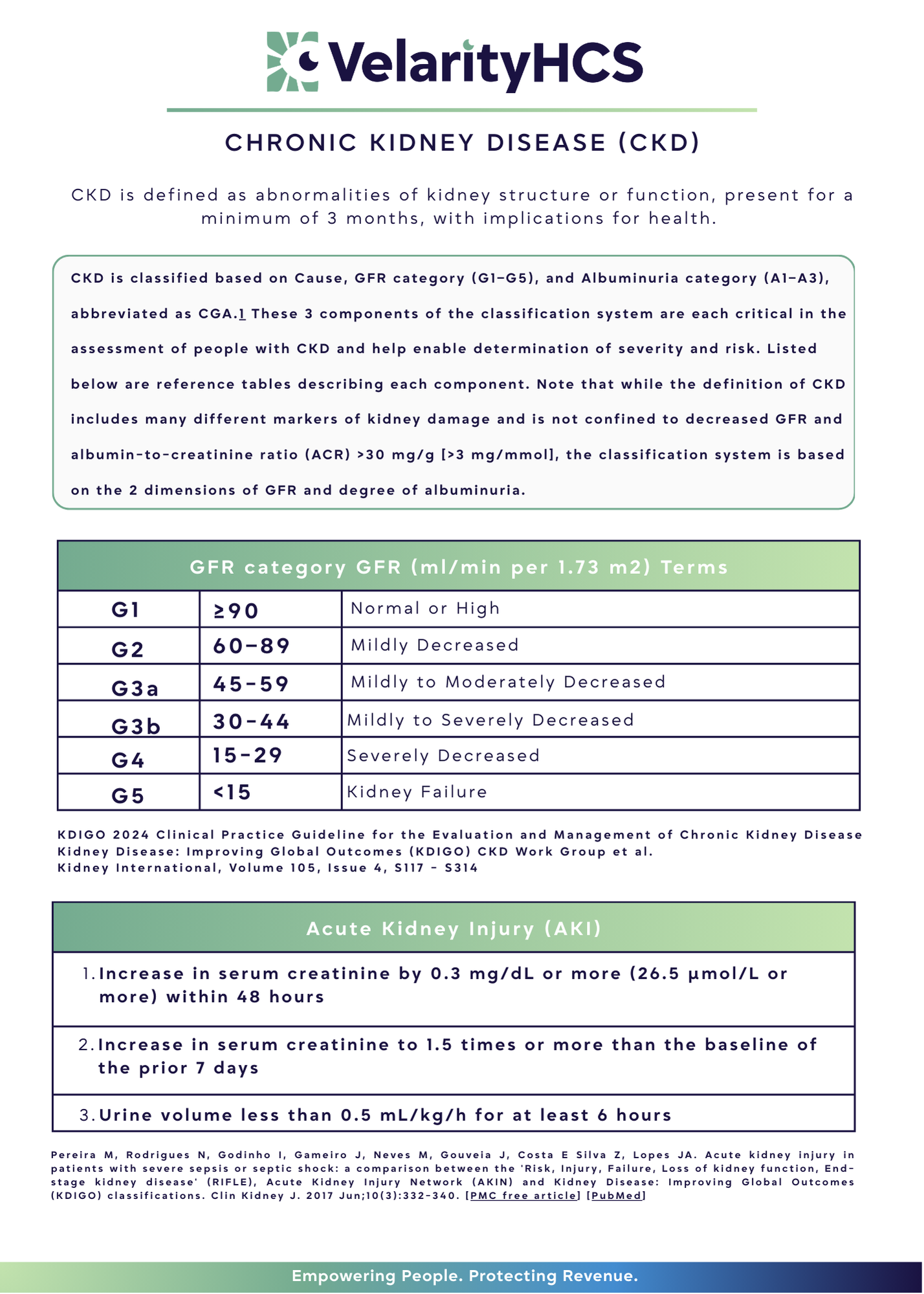
Webinars
Trauma Registry
Missed Our webinar? Watch It Here!
This session focused on abdominal gunshot wounds, led by our Trauma Quality Director, Michael Trelow, with special guest surgeon Dr. Christine Toevs, who will share her clinical insights.
Session Highlights:
A great opportunity for trauma registrars to sharpen skills and strengthen data accuracy!
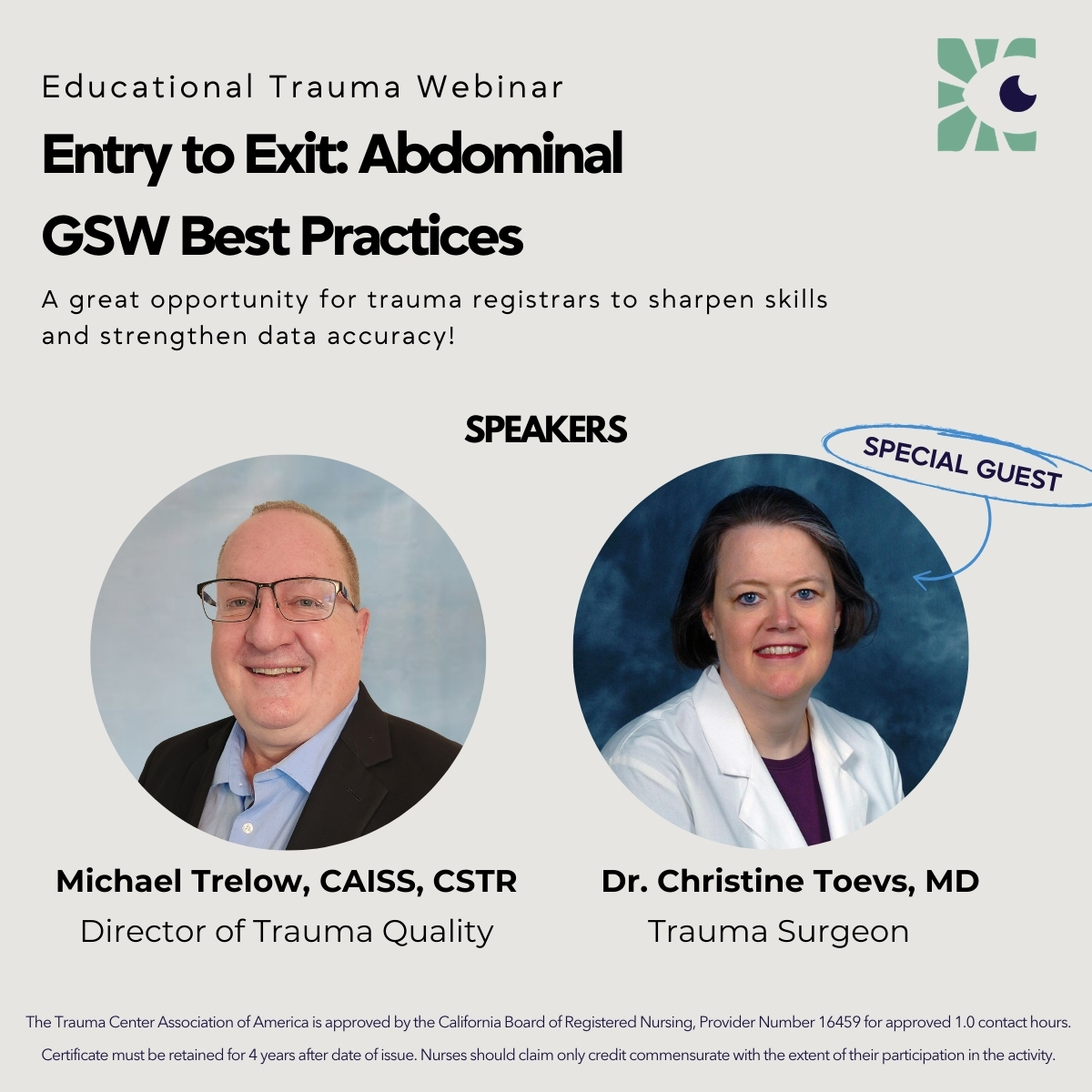
Webinars
Trauma Registry
Catch Trauma Quality Director Michael Trelow’s session on how the Trauma Registry supports stronger performance improvement.
You’ll learn how to:
Take your expertise in trauma performance improvement to the next level with tips you can implement immediately in your quality and registry workflows.

Blogs
Health Information Management & Coding
Accurate ICD-10-PCS revision total knee arthroplasty coding is critical for compliance, reimbursement, and audit defense. However, revision knee cases, especially partial component exchanges, remain one of the most misunderstood and highly scrutinized areas in inpatient coding. Coders often struggle to determine whether a procedure should be reported using the Revision root operation or coded as a combination of Removal and Replacement.
This blog walks through a real-world clinical scenario involving a revision of a tibial component only. Using official ICD-10-PCS guidelines and best practices, we explain correct diagnosis selection, procedure coding, sequencing, and DRG impact. By the end, you will have a clear, practical framework to confidently code with similar encounters while reducing compliance risk.
A 79-year-old male is admitted for worsening pain and instability of a right total knee replacement that was originally performed six years ago. Imaging confirms mechanical loosening of the tibial component without evidence of infection.
During surgery:
The correct principal diagnosis is:
Although the surgeon uses the term “revision” in the operative note, ICD-10-PCS coding is based on what was done, not the procedure name. According to ICD-10-PCS guidelines, the Revision root operation is reserved for procedures that correct or adjust a device without removing it, such as repositioning or tightening.
In this case, the failed tibial component was completely removed and replaced.
Therefore, the correct approach is to code:
Together, these two codes fully and accurately describe the procedure performed.
Correct DRG Grouping- When coded correctly, this encounter groups to:
Misclassifying a partial revision as a full joint replacement or failing to code device removal can trigger payer audits, recoupments, and compliance exposure. Revision arthroplasty cases are consistently high-risk for denials.
To support compliant ICD-10-PCS revision total knee arthroplasty coding, coders and auditors should always:
Additionally, documentation must clearly support medical necessities, such as mechanical loosening, instability, or device failure. If infection is present, coding and DRG assignment change significantly and may introduce a major complication or comorbidity.
For further guidance, refer to official resources from the Centers for Medicare & Medicaid Services and the American Hospital Association.
Accurate ICD-10-PCS coding for revision knee arthroplasty requires careful document review, strong understanding of root operations, and adherence to official guidelines. Coding partial knee revisions correctly helps protect reimbursement and reduces compliance and audit risk.
Need help reviewing complex orthopedic cases or training your coding team?
Contact us today and learn how to code ICD-10-PCS revision total knee arthroplasty correctly, avoid denials, and ensure compliance with this step-by-step guide.

Webinars
Trauma Registry
Missed our recent webinar? You can now watch the full recording of “2026 NTDS Updates: Get Ready for the 2026 Dictionary.”
Led by our expert, Michael Trelow, this session walks you through the most important changes coming to the 2026 NTDS Dictionary.
In the recording, you’ll learn how to:
Whether you work in trauma registry, coding, data abstraction, or clinical workflow support, this recording will help you prepare for the upcoming updates with clarity and confidence.
Webinars
Trauma Registry
After the presentation, participants will be able to:
Date: January 28th
Time: 12:00 PM EST

Blogs
Trauma Registry
It is the responsibility of the Trauma Registry Professional to be familiar with each hospital event to accurately identify and document the correct data points. Since hospital events can change from year to year, the Trauma Registry Professional must be adaptable to keep up with these changes.
Everyone has their own learning style. Some people grasp the NTDS document by reading it directly, while others find it more helpful to use an algorithm. Some key points to be aware of include learning how to correctly read the NTDS and reviewing the 2024 Hospital Event Algorithm flow chart. This is available for download from AKI TEST (facs.org). For the 2025 NTDS, the algorithms are integrated into the documentation.
When reviewing hospital events, extra effort is needed to identify specific conditions, such as Acute Kidney Injury. To comprehend what you’re examining, you might need to broaden your knowledge by learning about factors like what defines an eGFR.
Acute Kidney Injury Example:
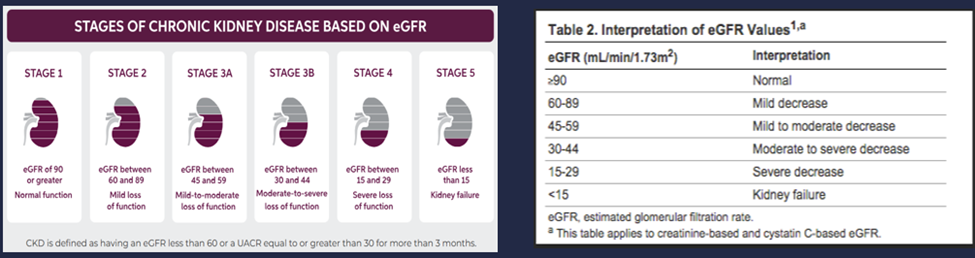
Chronic Kidney Disease in Type 2 Diabetes | Kerendia® (finerenone) | Patient Site (kerendia-us.com)
Understanding the language and structure of NTDS Hospital Event documentation is crucial for accurate data interpretation and reporting. The presence of “and/or” statements requires careful attention to ensure that the data is categorized correctly. Additionally, the flow of data within the algorithm can vary, highlighting the importance of a thorough review of each document. Familiarity with these nuances is essential for maintaining the integrity of the data and supporting effective patient care outcomes.
The American College of Surgeons Trauma Quality Improvement Program (ACS TQIP) plays a crucial role in enhancing patient care by collecting data on hospital events. This data is instrumental in identifying facilities with lower incidence rates, which can then serve as benchmarks for others. By analyzing and adopting the strategies of these leading facilities, hospitals can work towards reducing their own event rates, ultimately improving patient outcomes and elevating the standard of trauma care.

Blogs
Utilization Management & Case Management
As acute care case managers, we face numerous challenges in ensuring patients receive optimal care and effective discharge planning. This blog highlights these barriers and offers resolutions and advice to overcome them. Many challenges are interconnected, often compounding one another, making it critical to approach them with a strategic mindset.
In the complex healthcare landscape, case managers play a pivotal role in ensuring seamless patient care transitions, particularly as patients prepare for discharge from the hospital. These professionals juggle multiple responsibilities, including patient advocacy and resource management, to navigate the intricacies of care coordination.
Below, we explore five key challenges faced by case managers, specifically discharge planners in acute care settings, along with practical solutions to address them effectively.
Studies from the Journal of the American Medical Association reveal that nearly half of Medicare beneficiaries have at least three chronic conditions, making them more medically complex patients. Coordinating care for these patients requires collaboration among various specialists—physical therapists, hospitalists, dietitians, pharmacists, and behavioral health providers, among others.
Coupled with staffing shortages, budget constraints, and limited availability of post-acute services, case managers often struggle to deliver optimal care and discharge planning.
The American Association of Colleges of Nursing reported the largest drop in hospital-employed nurses in four decades from 2020 to 2021. These shortages lead to heavier caseloads for case managers and the need to onboard inexperienced staff, which can impact the quality and continuity of care.
Case managers face high levels of stress due to the urgency and complexity of their roles. Constant interruptions, emotional labor, and the need to juggle priorities can lead to compassion fatigue and burnout.
Case managers must ensure safe, effective discharges while adhering to strict regulatory requirements. Frequent changes in federal regulations, public health policies, and payer guidelines add to the complexity.
Strong communication is essential for case managers to coordinate care effectively. Challenges include language barriers, cultural differences, and cognitive or emotional factors affecting patients and families.
Addressing challenges in case management requires interdisciplinary collaboration, adaptable workflows, and supportive technology to streamline communication and resource allocation. By prioritizing education, team support, and proactive problem-solving, case managers can improve outcomes for patients and families alike.
https://jamanetwork.com/journals/jamainternalmedicine/fullarticle/213908
https://www.aacnnursing.org/news-data/fact-sheets/nursing-shortage

Blogs
Trauma Registry
Sometimes, the need for a massive transfusion in trauma patients is immediately apparent when they arrive in the emergency department trauma room. However, occasionally, a seemingly stable trauma patient may suddenly experience a drop in blood pressure, surprising the trauma team.
In the trauma data world, trauma registry professionals must come to know predictive tools that they must be able to document accurately. Such predictive tools would include Revised Trauma Score (RTS), Injury Severity Score (ISS), Glasgow Coma Scale (GCS). We are going to look at another predictive tool, Shock Index (SI) and break it down in what it is predicting.
Shock Index defined
Blood pressure and heart rate, when used individually, fail to accurately predict the severity of hypovolemia and shock in major trauma. The Shock Index (SI) is a straightforward calculation, derived by dividing the heart rate (HR) by the systolic blood pressure (SBP). This index can be quickly determined by Emergency Medical Services (EMS) and is valuable in assessing whether a patient needs transport to a trauma center. Additionally, in the Emergency Department triage area, SI helps identify patients at risk of hemorrhagic shock (HS) and the potential need for massive transfusions. It has been researched in patients who are either at risk of or experiencing shock due to various causes, including trauma, hemorrhage, myocardial infarction, pulmonary embolism, sepsis, and ruptured ectopic pregnancy.
Shock Index Levels
When it is broken down, the SI is looking at different levels of shock:
Trauma Registry professionals should be able to understand all the predictive tools and help them know the SI and to not simply add it to the trauma registry should the trauma center be collecting the data but be able to know that the higher the SI, be looking for use of the massive transfusion policy (MTP) and find the type and number of units of different blood products being used. Being able to link their critical thinking to potential performance improvement issues will make the trauma registry professional stand out and aid in better care for the trauma patient.
To read more about the SI, in 2010 the paper was presented at the 23rd Annual Scientific Assembly of the Eastern Association for the Surgery of Trauma:
“Identifying Risk for Massive Transfusion in the Relatively Normotensive Patient: Utility of the Prehospital Shock Index”
*Vandromme, M. J., Griffin, R. L., Kerby, J. D., McGwin, G., Jr, Rue, L. W., 3rd, & Weinberg, J. A. (2011). Identifying risk for massive transfusion in the relatively normotensive patient: utility of the prehospital shock index. The Journal of trauma, 70(2), 384–390. https://doi.org/10.1097/TA.0b013e3182095a0a

Blogs
Trauma Registry
There has been considerable discussion in trauma centers about the optimal number of charts a Trauma Registry Professional should close daily. Some hospitals impose high demands, leading to rapid turnover among registrars. While tracking productivity is essential, it’s crucial to balance the number of charts closed daily with the complexity of data points that need to be abstracted and entered, along with other duties they are asked to perform.
The primary role of a Trauma Registry Professional involves abstracting data from electronic health records (EHR), accurately entering this information into the hospital’s trauma registry, and adhering to national coding standards from the National Trauma Data Standard (NTDS) and other relevant courses like AIS courses. Trauma Registry Professionals must be well-versed in the NTDS data dictionary and may also need to follow additional state-specific data requirements. Additionally, they might have to abstract certain local hospital data points that programs want to track.
According to the American College of Surgeons’ 2022 Standards Resources for the Optimal Care of the Injured Patient, each trauma center must have at least 0.5 FTE dedicated to the trauma registry per 200–300 annual patient entries. The count of entries is defined as all patients who meet NTDS inclusion criteria, and those patients who meet inclusion criteria for hospital, local, regional, and state purposes.” Trauma program managers and directors all know this requirement.
It is in the Additional Information that the ACS adds, “Trauma centers must take into account the additional tasks, beyond the abstraction and entry of patient data, that are assigned to the registrar. Processes such as report generation, data analysis, research assistance, and meeting various submission requirements will decrease the amount of time dedicated to the meticulous collection of patient data. Electronic downloads into the trauma registry also create additional tasks, as does ongoing data validation before data acceptance. Additional staff will be required to perform these tasks to ensure the integrity and quality of registry data, which are used for prevention, PIPS, and other essential aspects of the trauma program.”
Is the additional information being included when the trauma service decides to put a charts per day number in place? Let’s remember that not everyone works at the same pace. Are those differences accounted for? Chances are the current TPM has not hired or supervised all the registrars since the trauma service was started. The registrars that are in place now are often products of another TPM. Some registrars are fast in how they abstract charts, some are more deliberate, making sure they capture everything, and some decide to chase every rabbit that presents itself, thus making them a lot slower. Accuracy and consistency are paramount, and productivity should be tracked alongside accuracy. Data validation parameters should be in place, and registrars should be evaluated based on their experience and certifications. Balancing the number of charts closed daily with data accuracy is crucial.
The 2022 Standards, item 6.1, requires all trauma centers to have a written data quality plan with at least quarterly reviews. Data validation is key to maintaining quality data. Sharing data validation results in a shared folder allows the TPM and Trauma Surgeon to monitor staff accuracy continuously. To begin the process of productivity, you need to obtain some data from the trauma registry. Run several reports that would show average ISS, average Hospital Days, and average ICU days. This baseline will help to be a determining factor in the productivity process.
A simple way to track productivity is to use an Excel sheet that Trauma Registry Professionals can update weekly and submit to the TPM. The sheet should include the following information:
By tracking the number of charts completed and the time spent on each, registrars can gain a clear understanding of their productivity. Without this data, both the registrar and the TPM lack insight into actual performance levels. This tracking system allows registrars to monitor their improvement over time, fostering a sense of increased productivity.
Once you have this data, you can determine a reasonable daily chart closure target that your staff can manage accurately. Productivity and accuracy should be the primary goals for each registrar. This approach will also help you justify the need for additional staff to the administration, especially in response to any increases in trauma cases, as you’ll have a clear understanding of the workload capacity.
Resources for Optimal Care of the Injured Patient | ACS (facs.org)

Blogs
Cancer Registry
“Leaders become great, not because of their power, but because of their ability to empower others.” – John Maxwell.
Cancer registry leaders are pivotal to the success of the oncology service line. Their role is not only to lead the registry team but also to manage registry data effectively. Strong leadership and management in cancer registries ultimately enhance the care received by each cancer patient and improve the quality of data that drives advancements in cancer care.
7 Principles for Success as a Cancer Registry Leader:
Successful leaders share several traits regardless of industry:
These traits enhance team productivity and accuracy, increase morale and staff retention, and improve the accuracy and reliability of registry data.
Essential Leadership Skills for Cancer Registry Managers:
Communication
Motivation and Engagement:
Problem-Solving:
Decision-Making:
Managing Cancer Registry Data
You are an interpreter, translator, and data manager as a cancer registry manager. When data is requested, take the time to understand what information is being sought. Your stakeholders, executives, and researchers may not fully articulate their needs. By understanding their goals, you can provide impactful data. Always provide a concise written summary that answers their questions and offers an interpretation of the data. Thoroughly review your data before sharing and address accuracy and workflow issues with your team.
3 Key Data Management Principles:
Empowering Your Team
As a leader in the Cancer Registry, it is imperative to empower your team. You are the department visionary, expert, and servant. Creating a specific cancer registry vision that aligns with your organization will inspire and motivate your team. Elevate your emotional intelligence and ensure you are building positive relationships. Communication and empathy are vital. Successful leaders are servants—your position is to serve your team.
Empower Your Team Through:
Training and Development:
Delegation:
Feedback and Recognition:
3 Key People-Focused Leadership Strategies:
Feedback and Continuous Improvement
Effective leadership involves creating feedback loops where you can continuously give and receive feedback to improve. Avoid creating loops of only constructive criticism. Aggressive, demeaning, and highly critical leaders lead to stagnant teams, low productivity, low morale, and low retention.
Various methods can propel your team forward and improve data collection in the cancer registry. Implement one strategy at a time. Remember, we are not just capturing data; we are telling each patient’s cancer story in a statistically significant way that translates data into meaningful outcome improvements and programmatic developments.
Leading with excellence in the cancer registry involves managing data with precision and empowering your team to achieve their best. You can create a thriving, productive environment that improves cancer care and registry data quality by focusing on data integrity, standardization, usability, and people-focused leadership.
Embrace these principles and watch your team and the data they manage reach new heights of success.

Blogs
Trauma Registry
Critical thinking skills are highly sought after today and are actively taught. With the constant influx of information from TV news and the Internet, it’s crucial to develop critical thinking skills to discern the truth. This is especially vital for Trauma Registry Professionals who handle abstracted information and processes within trauma services.
Critical thinking is defined as the “objective analysis and evaluation of an issue to form a judgment.” Key terms in this definition include objective analysis, evaluation, and judgment, which are essential components of the process. Critical thinking fosters effective problem-solving and creativity, and it underpins rational decision-making.
Below are realistic examples of how critical thinking resolved an issue for trauma registry professionals. The process of critical thinking involves five distinct phases.
5 Phases of Critical Thinking
By employing critical thinking techniques, the trauma service was able to quickly obtain EMS trip sheets. Initially, when the trauma service began distributing custom reports, it took some time for EMS agencies to recognize their value. However, once they did, they eagerly incorporated the reports into their performance improvement processes.
Over time, EMS agencies began contacting the Trauma Registry Professionals within 24 hours of patient drop-off to inquire about their reports. If they hadn’t left a trip sheet, the registrar would inform them, and the EMS agency would promptly send it over within five minutes. This change significantly reduced the time the Trauma Registry Professional spent on Mondays calling for trip sheets, from up to four hours to just 30 minutes. As a result, the trauma service received the trip sheets immediately and could promptly deliver reports back to the EMS agencies, enhancing communication between the two parties.
While no one is perfect at critical thinking, consistent practice offers a significant advantage. Strong critical thinking skills enable us to understand ourselves and our opinions better, and to examine diverse perspectives without fear or bias. These skills are invaluable tools for proactively addressing problems in both personal and professional contexts.

Blogs
Trauma Registry
First and foremost, data validation is an educational tool that sharpens the skills of the Trauma Registry Professional and in turn, develops better data for the trauma centers to use to improve patient care. Data validation highlights areas of weakness and motivates the registrar to pursue additional training, ensuring the accuracy of data points
There are many ways to do data validation on the trauma registry, so there are multiple tools that one can find to fit their trauma center needs. The main goal is to train the Trauma Registry Professionals to get the most accurate data from the EHR to the registry.
The Guidelines:
The National Trauma Data Standard (NTDS) serves as the essential data dictionary for all trauma registrars. It details all required data fields, providing definitions, element values, and additional information to ensure correct data entry. The NTDS includes a data source hierarchy guide, directing registrars to the appropriate documents for data retrieval. It also outlines associated edit checks, specifying that Level 1 and 2 edit checks must be corrected before data can be uploaded to the National Trauma Data Bank (NTDB). Statewide trauma data dictionaries, for states that track additional data, adhere to the same format as the NTDS.
Hospital-based data dictionaries are designed to indicate where to obtain data from the EHR. They should include an additional column specifying the exact location in the EHR to pull the data. This will assist new registrars in accurately entering data into the trauma registry.
According to the American College of Surgeons (ACS), up to 10% of the total charts per month must be validated. There are two schools in data validation of the trauma registry:
If you select 20-25 data points and your registrars consistently achieves 100% accuracy, you can replace one of those data points with a new one to maintain engagement. Trauma Registry Professionals are aware of the data points being monitored, which helps ensure their integrity.
One method to do data validation is that you have the data analyst and Trauma Registry Professional and PI RN, or other trauma registrar in the same room. The data analyst gives a registry number to the Trauma Registry Professional who in turn tells the PI RN the medical record number. After the PI RN opens the EHR, the analyst then goes through each data point that is being tracked. The PI RN finds it in the medical record, then answers the question and the Trauma registry Professional has to either acknowledge it as correct, or say it was missed in the registry. Then they can discuss where the registrar found the data.
In data validation, you aim to identify patterns of missed or incorrect data. If a pattern is detected, you can guide the registrar to relevant courses to improve their understanding. Options include trauma registrar courses, ICD-10 courses, and AIS courses. Sharing validation scores on a shared drive allows the Trauma Program Manager and Trauma Medical Director to quickly review the inter-rater reliability (IRR) of the trauma registrars, ensuring high-quality reports from the registry.
In conclusion there are many ways to validate a record for the Trauma Registry Professional. The main point is to be educational because no one is perfect. It should be a two-way street where the reviewer identifies the missing/incorrect data, presents it to the registrar and the registrar can show the reviewer where they got the data. All of this is done to help the registrar abstract and enter high quality data to help the hospitals improve the treatment of the injured patient.